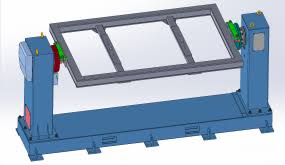
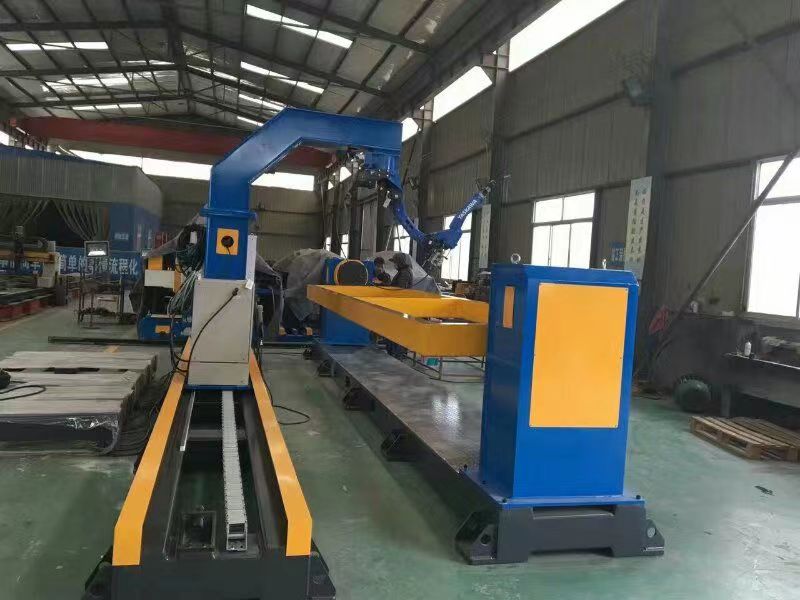
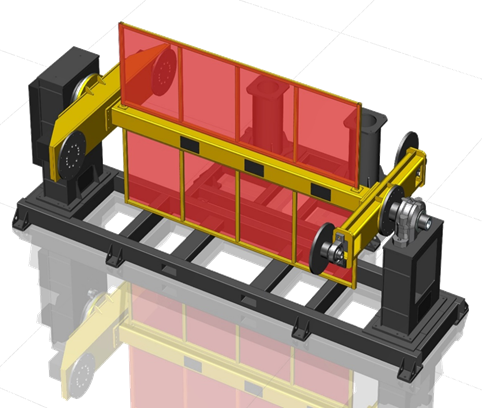
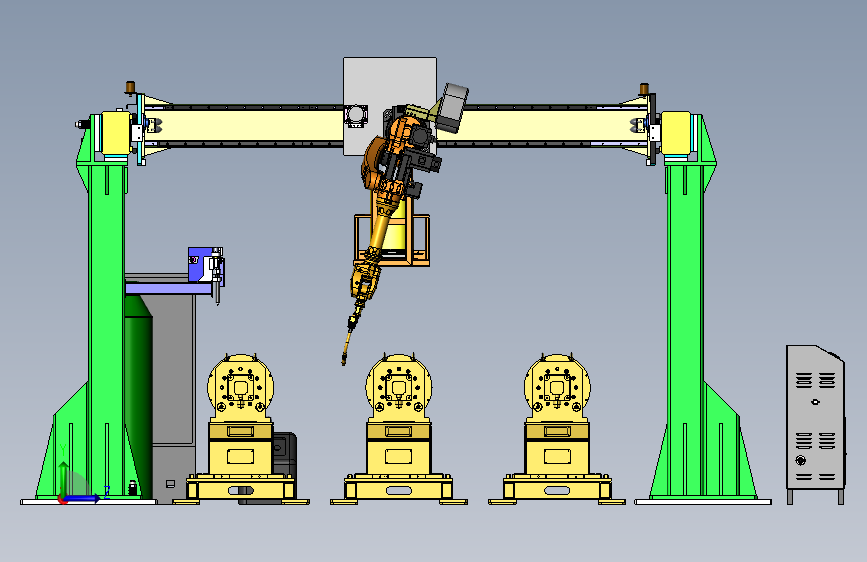
Headstock-tailstock positioners are essential for automated welding applications involving long and heavy workpieces. By providing stable dual-end support and smooth, controlled rotation, these systems help reduce cycle time, improve welding consistency, and enhance overall efficiency in robotic welding cells.
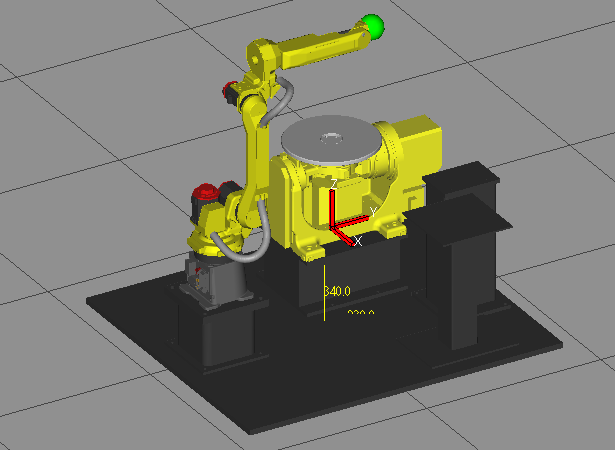
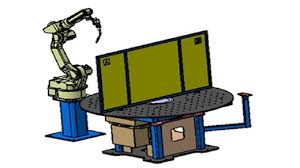
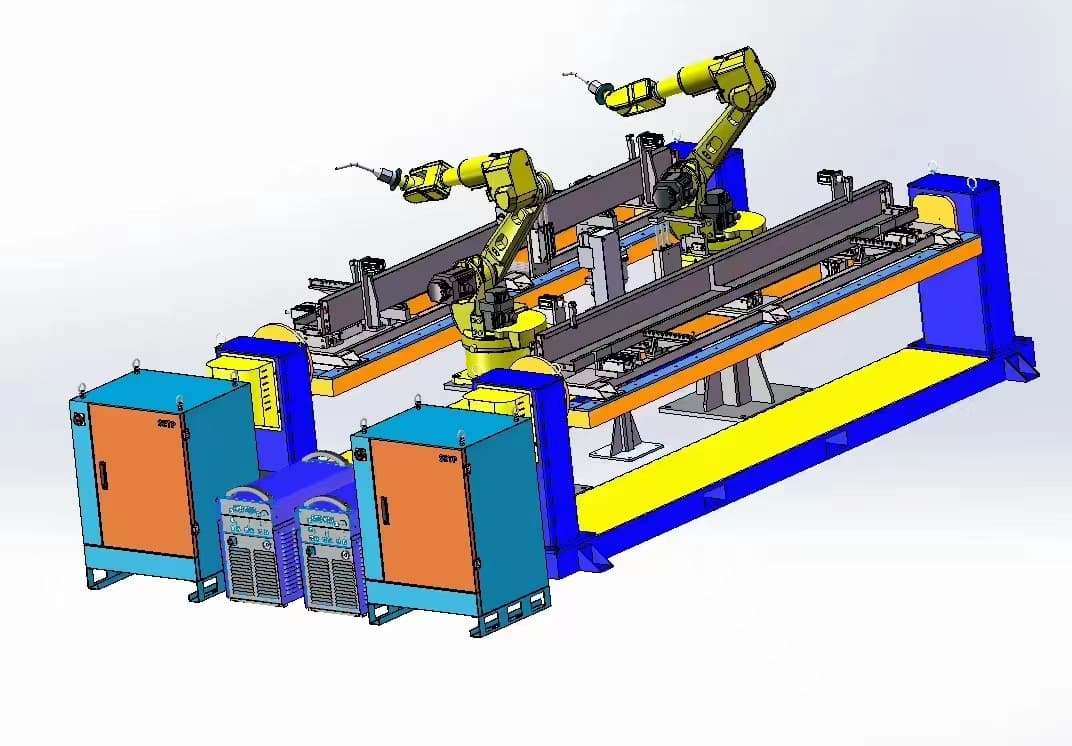
The article introduces the definition, core advantages, applicable industries, and key selection factors of robotic welding positioners, emphasizing their practical value for welding automation.
Robotic welding cells rely on the right positioner configuration to achieve stable, efficient, and high-quality welding results. This article compares 1-axis and 3-axis welding positioners, explaining their motion capabilities, application scenarios, and key differences to help manufacturers select the most suitable solution for their welding automation needs.
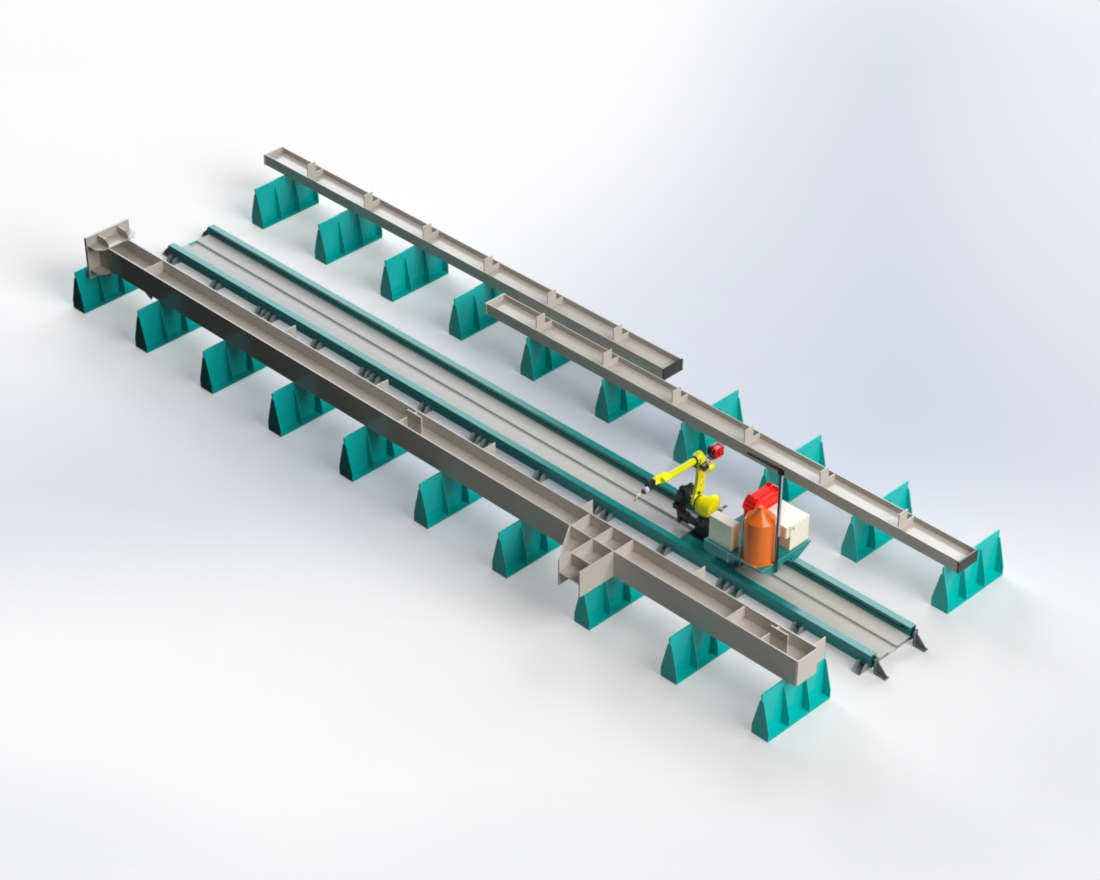
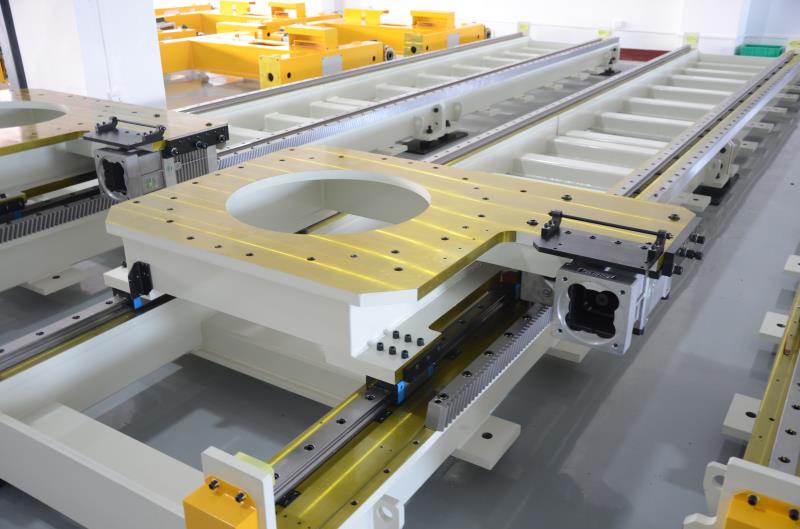
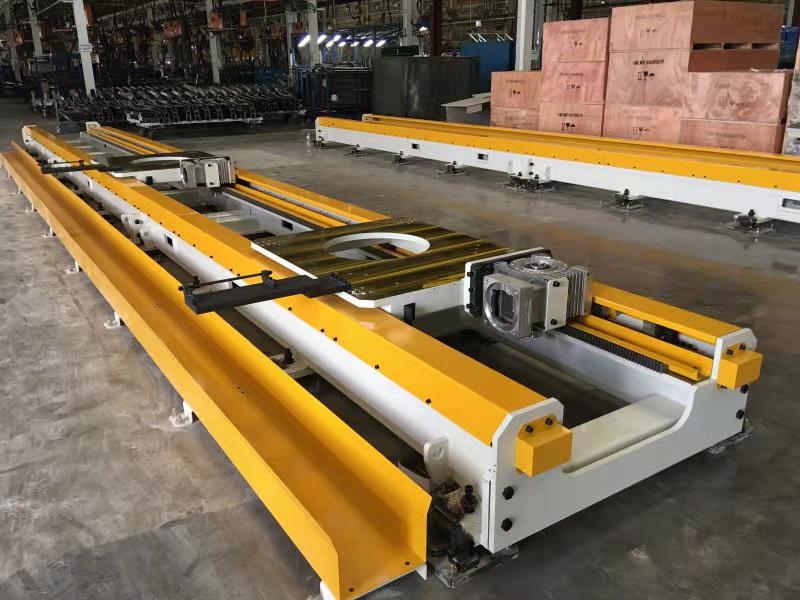
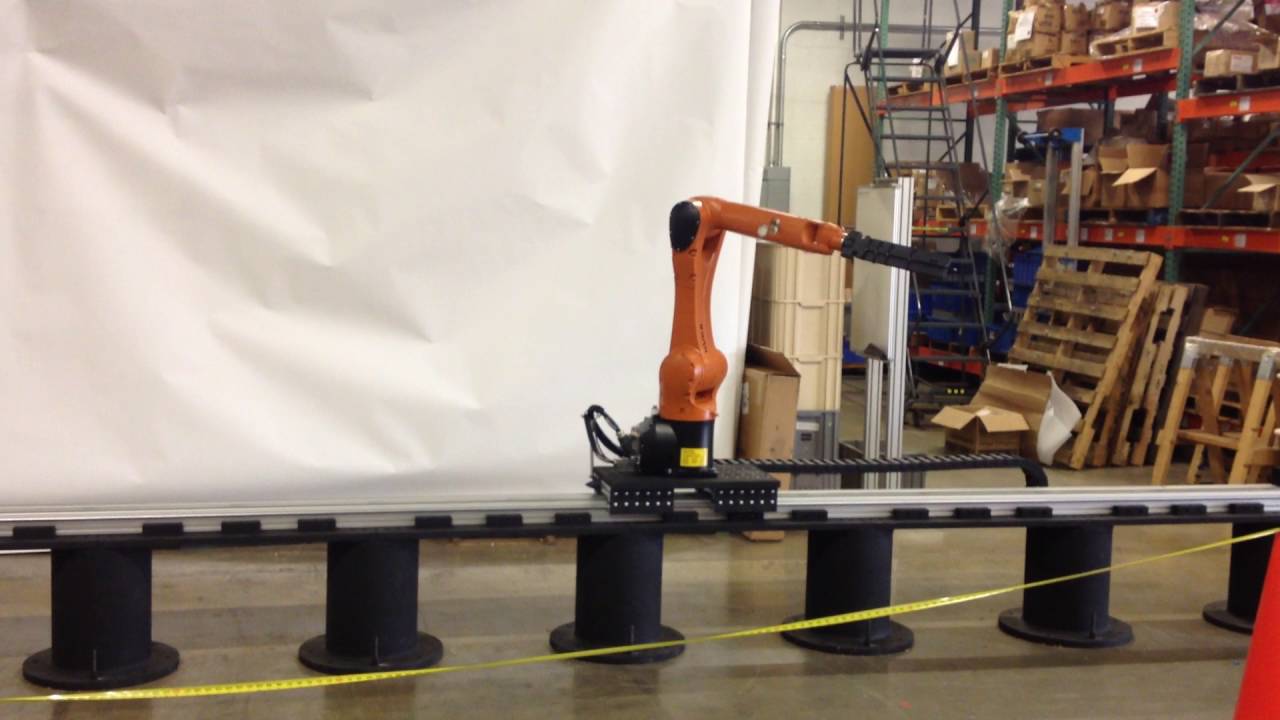
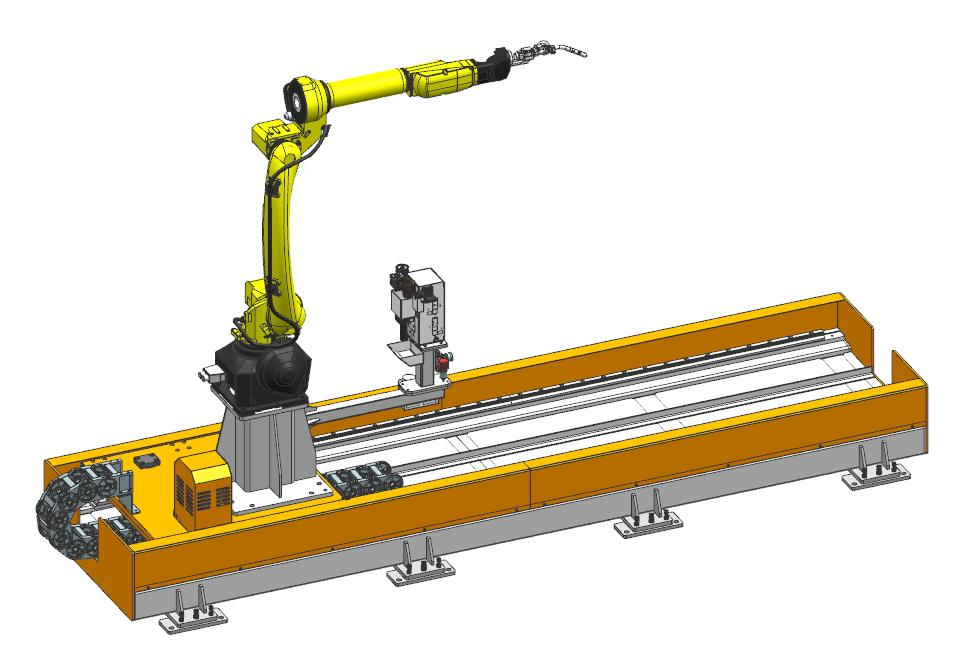
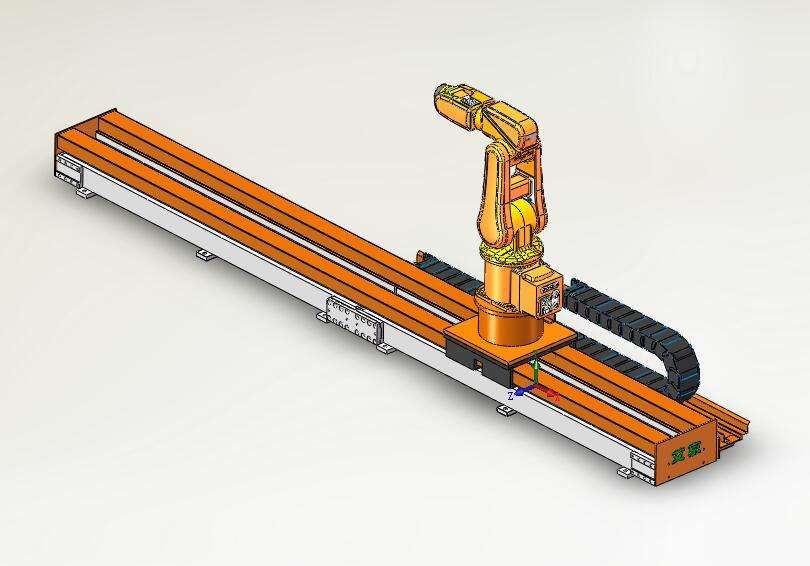
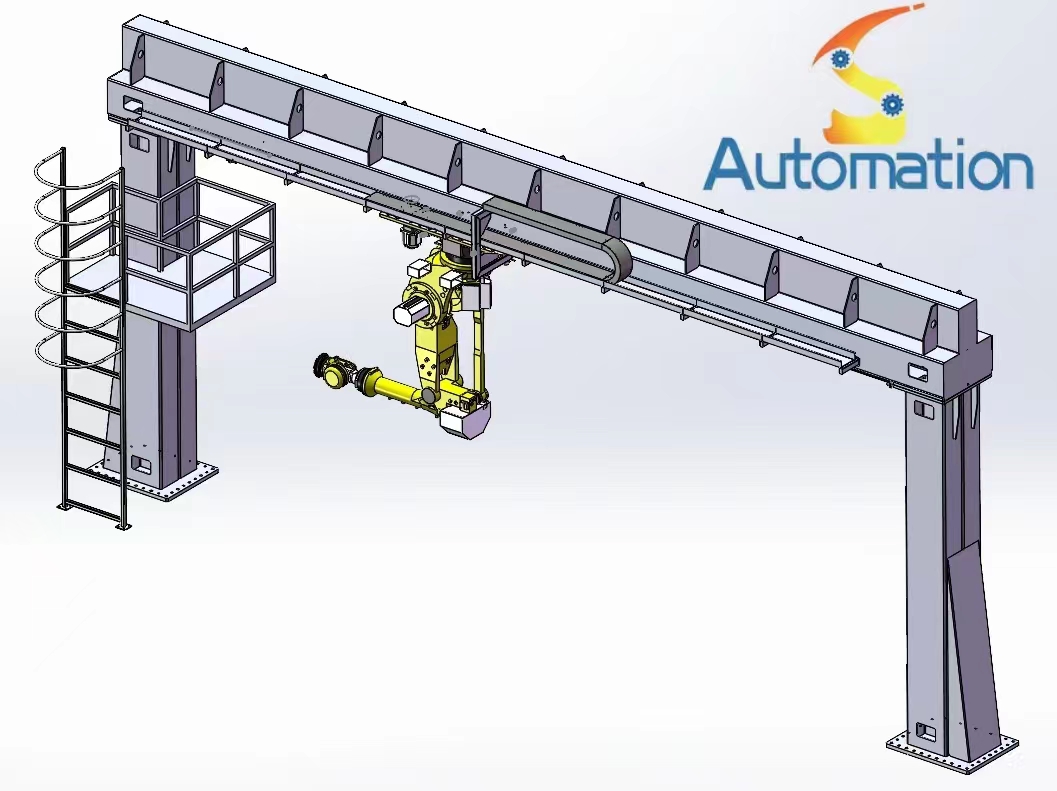
Robot linear tracks play a critical role in extending the work envelope of industrial robots used in large-scale fabrication. By enabling robots to travel along a linear axis, these systems significantly improve coverage, reduce repositioning time, and enhance overall production efficiency. In applications such as robotic welding, steel structure fabrication, and heavy equipment manufacturing, linear tracks allow a single robot to handle oversized workpieces with greater flexibility and consistency, making them an essential solution for scalable automation systems.
Long-stroke robot linear tracks extend robot reach while maintaining positioning accuracy, enabling efficient automation of large-scale manufacturing processes. This guide explains how long-stroke linear tracks support synchronized motion, flexible cell layouts, and stable performance in applications such as robotic welding and heavy fabrication, helping manufacturers achieve precision at scale.
Selecting the right linear slide rail for high-speed welding robots plays a critical role in ensuring motion stability, positioning accuracy, and long-term system reliability. This article outlines the key technical factors to consider, including load capacity, structural rigidity, accuracy, speed performance, environmental protection, and maintenance requirements, helping manufacturers build efficient and reliable robotic welding automation systems.
This article explores the key benefits of integrating Robotic Transfer Units (RTU) in heavy manufacturing, highlighting how RTU systems improve material handling efficiency, positioning accuracy, workplace safety, and scalability in automated production lines.
This article explores how a 7th axis linear track extends robot reach, improves automation flexibility, and enhances performance in robotic welding and industrial applications.
This article provides a clear comparison of different ground rail types used in robotic applications, focusing on performance, load capacity, and suitability for welding automation systems.
This article provides practical maintenance tips for robotic positioners, focusing on inspections, lubrication, load management, and preventive maintenance to extend equipment lifespan and ensure stable welding automation performance.