About Us
Common Challenges in Implementing Robotic Positioners and How to Overcome Them
Views : 577
Update time : 2025-12-15 14:21:00
As manufacturing continues to embrace automation, robotic positioners have become a key component in modern robotic welding and assembly systems. By rotating or tilting workpieces into optimal positions, robotic welding positioners help improve weld quality, production efficiency, and overall process consistency.
However, implementing robotic positioner systems is not without challenges. Manufacturers often face issues related to system integration, accuracy, payload selection, space constraints, and return on investment. Understanding these challenges—and knowing how to address them—is essential for successful automation.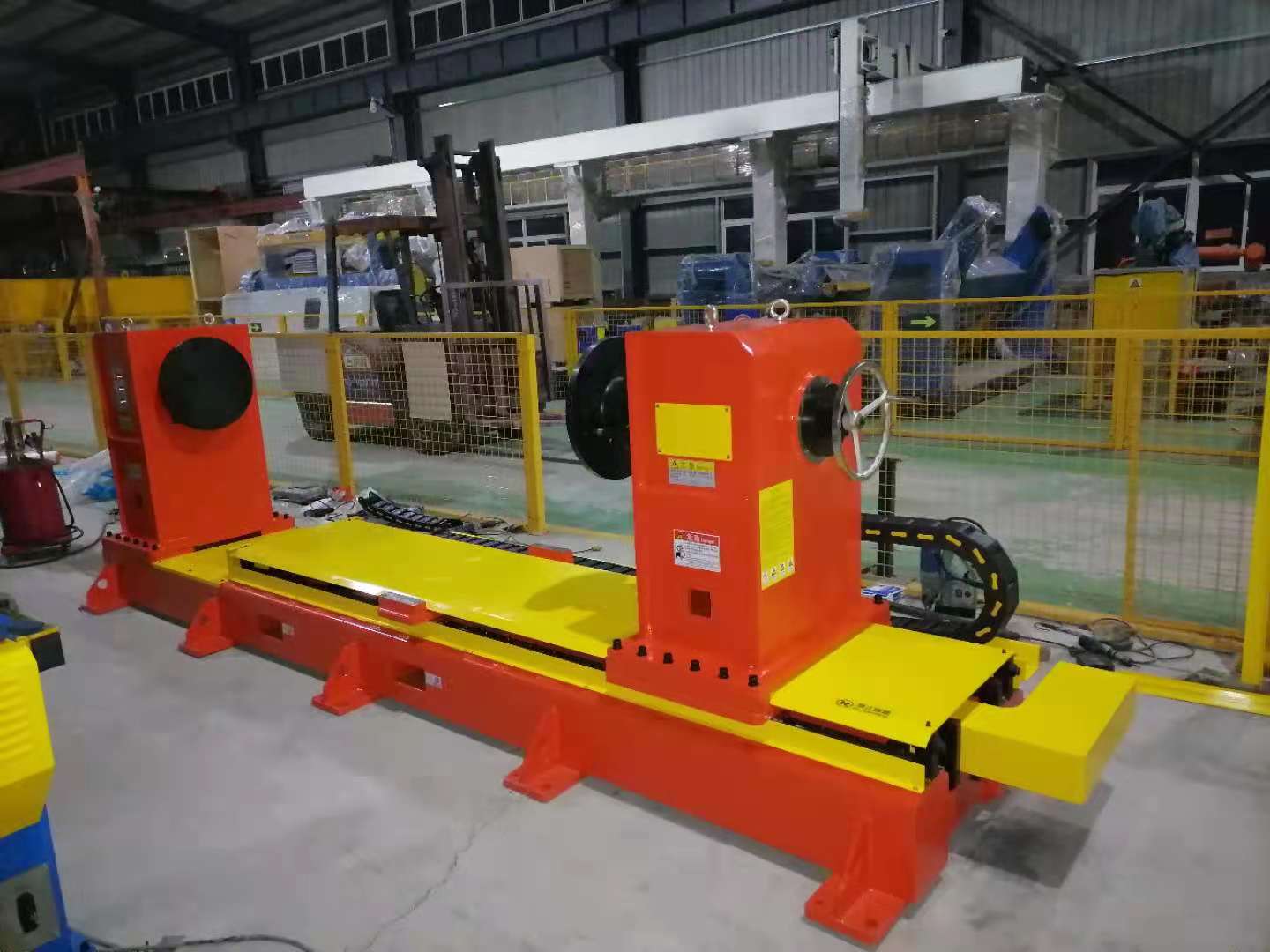
1. Integration with Existing Robotic Welding Systems
One of the most common challenges in deploying robotic positionersis ensuring seamless integration with existing welding robots and control systems. Poor synchronization between the robot and the positioner can lead to inconsistent motion, weld defects, and reduced efficiency.
Why integration matters:
A robotic welding positioner must move in precise coordination with the robot. Any mismatch in speed, timing, or communication can negatively affect weld quality and cycle time.How to overcome it:
- Choose robotic positioners compatible with major robot brands such as ABB, FANUC, KUKA, and YASKAWA
- Ensure the positioner supports standard industrial communication protocols
- Conduct system testing and simulation before full-scale production
2. Maintaining High Precision and Repeatability
Precision and repeatability are critical factors in automated welding applications. A high-quality robotic positioner allows the workpiece to be accurately positioned so the welding robot can maintain a stable torch angle and consistent welding parameters.
Common causes of poor precision include mechanical backlash, inadequate motor control, and insufficient structural rigidity.
How to overcome it:
- Use servo-driven robotic welding positioners for smooth and accurate motion control
- Select rigid mechanical designs to minimize vibration during welding
- Implement regular calibration and preventive maintenance routines
3. Selecting the Correct Payload Capacity
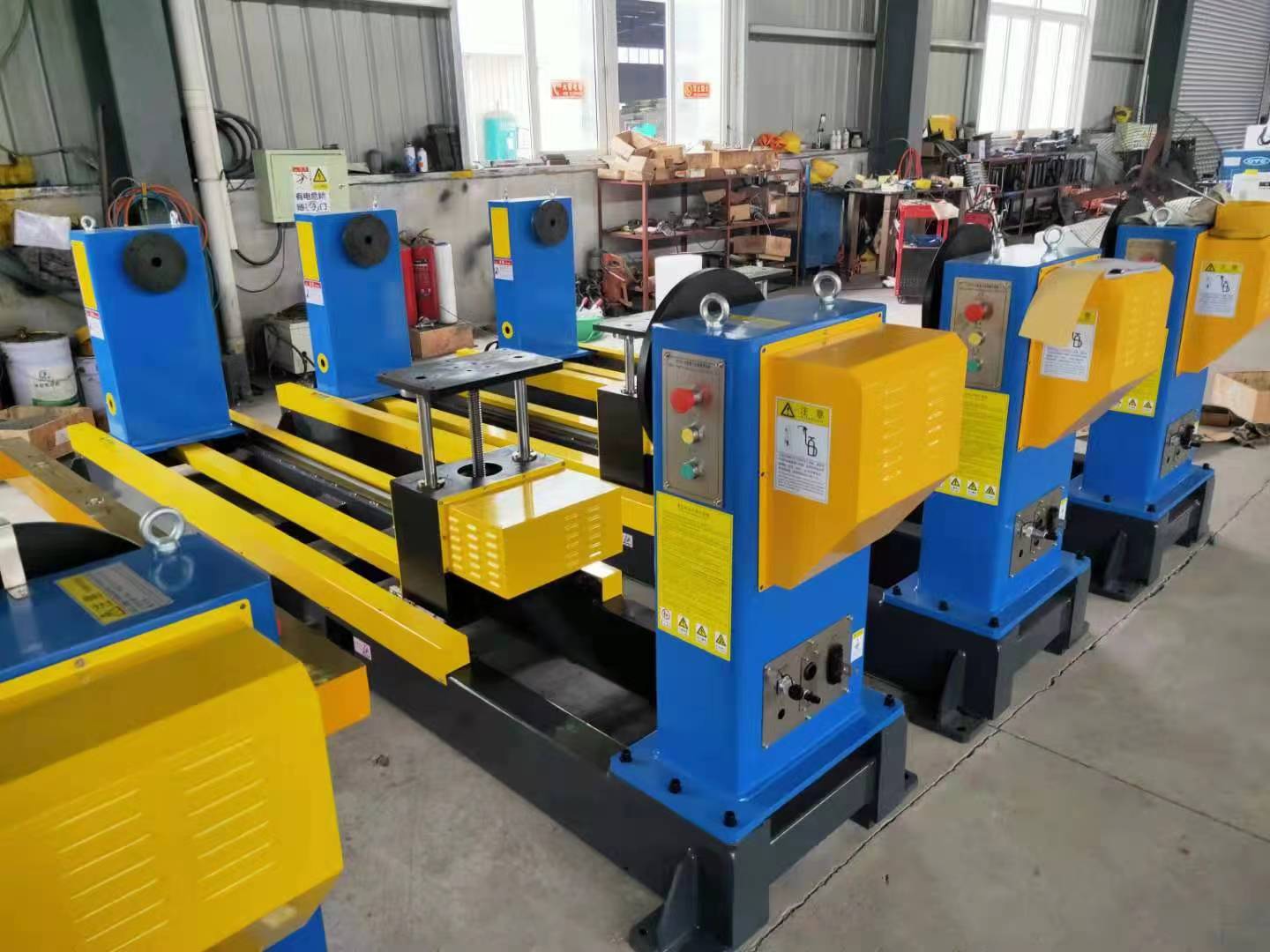
Incorrect payload selection is a frequent issue when implementing robotic positioners. Overloading a positioner can result in reduced accuracy, excessive wear, or even safety risks.
Manufacturers often underestimate the total load by focusing only on the workpiece weight, while ignoring fixtures, clamps, and dynamic forces during rotation.
How to overcome it:
- Accurately calculate the total payload, including tooling and fixtures
- Choose a robotic welding positioner with an appropriate safety margin
- Consult with suppliers for heavy-duty or customized positioner solutions
- Proper payload selection ensures long-term stability and reliable operation.
4. Space Constraints and Production Layout Challenges
Limited factory floor space can make it difficult to install robotic positioners, especially in retrofit automation projects. Poor layout planning may interfere with material flow, safety zones, or operator access.
How to overcome it:
- Select compact or modular robotic positioner designs
- Consider vertical or customized mounting options
- Use 3D layout planning tools during the system design phase
- Well-planned layouts improve safety, efficiency, and overall workflow integration.
5. Operator Training and Maintenance Requirements
Advanced robotic welding positioners require skilled operators and proper maintenance to achieve optimal performance. Insufficient training can lead to incorrect operation, increased downtime, and premature equipment wear.
Common challenges include:
- Difficulty understanding motion control settings
- Improper daily inspections
- Delayed troubleshooting during system faults
How to overcome it:
- Provide structured operator and maintenance training
- Use robotic positioners with user-friendly control interfaces
- Partner with suppliers that offer technical documentation and after-sales support
- Well-trained operators play a critical role in maximizing equipment lifespan and productivity.
6. Cost Concerns and ROI Justification
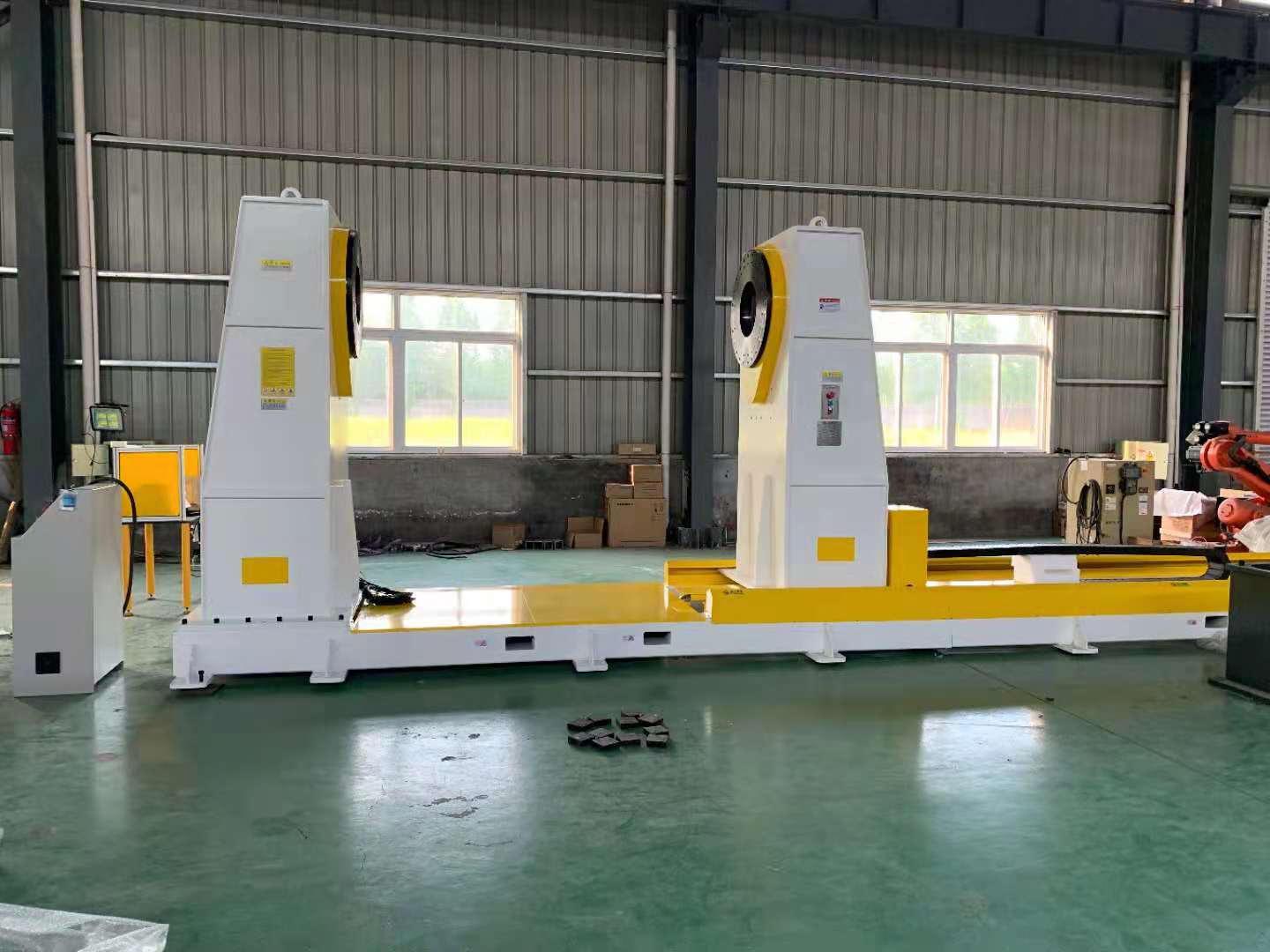
The initial investment in robotic positioners can be a concern, particularly for small and medium-sized manufacturers. Without a clear understanding of long-term benefits, automation projects may be delayed.
How to overcome it:
- Focus on measurable benefits such as improved weld quality, reduced rework, and lower labor costs
- Start with scalable or semi-automatic robotic positioner systems
- Use production data to calculate payback periods and ROI
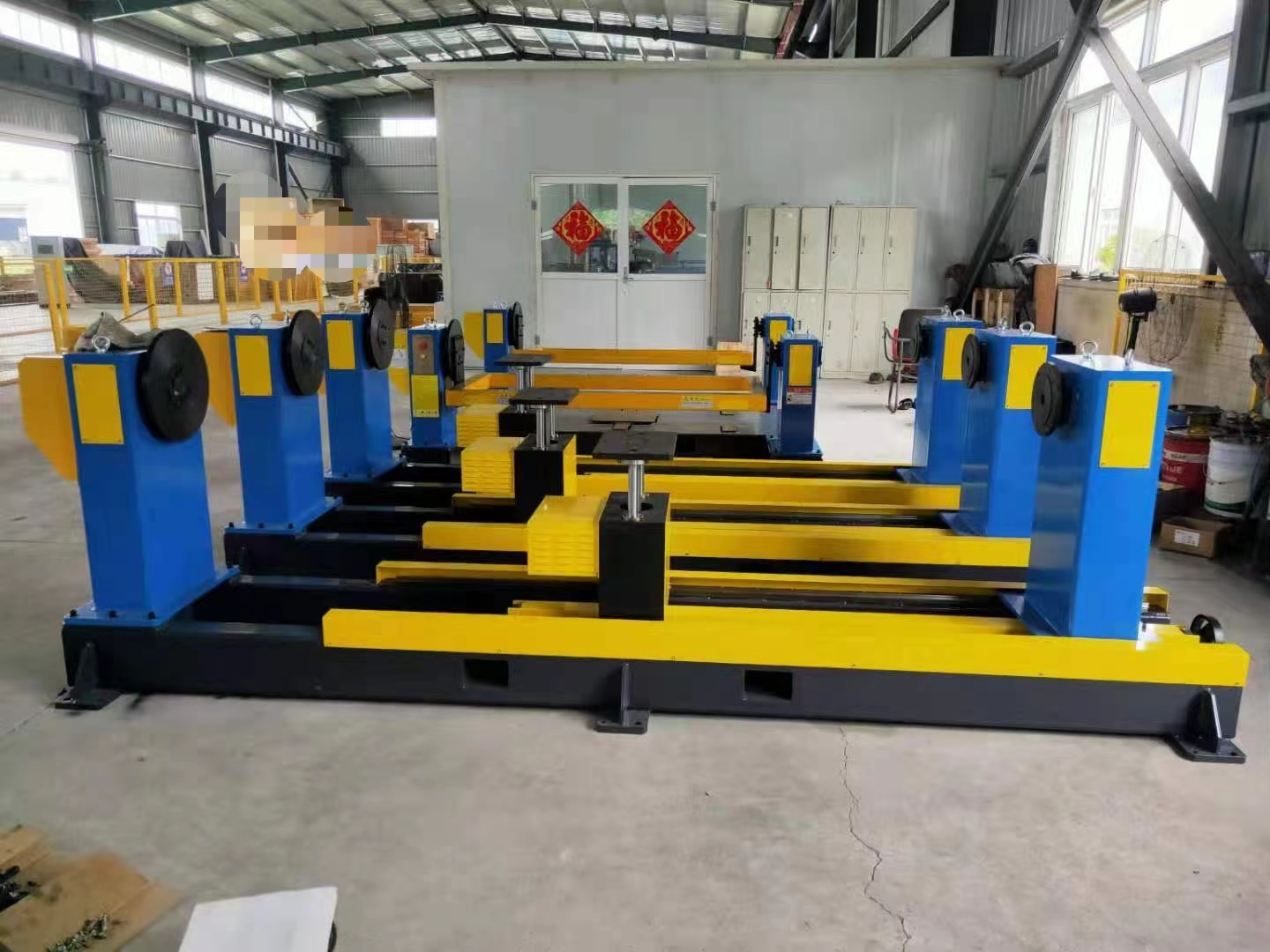
7. Improving Welding Quality with Robotic Welding Positioners
In robotic welding cells, robotic welding positioners significantly improve weld consistency by positioning the workpiece in the optimal orientation. This allows the robot to maintain stable welding conditions and reduces the need for complex robot movements.
Key benefits include:
- Improved weld penetration and appearance
- Reduced welding defects
- Shorter cycle times
- Enhanced process repeatability
Conclusion
Implementing robotic positioners is a strategic step toward higher efficiency and improved welding quality. While challenges such as system integration, precision control, payload selection, space limitations, training, and ROI concerns are common, they can be effectively managed with proper planning and the right equipment.
By choosing reliable robotic welding positioner systems and working with experienced suppliers, manufacturers can build flexible, scalable automation solutions that deliver long-term value.
If you have any questions, please contact us right now!
相关新闻
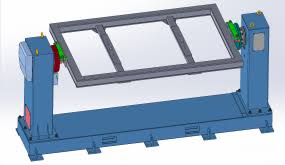 Reducing Cycle Times: The Role of Headstock-Tailstock Positioners in Automation
Jan 04,2026
Headstock-tailstock positioners are essential for automated welding applications involving long and heavy workpieces. By providing stable dual-end support and smooth, controlled rotation, these systems help reduce cycle time, improve welding consistency, and enhance overall efficiency in robotic welding cells.
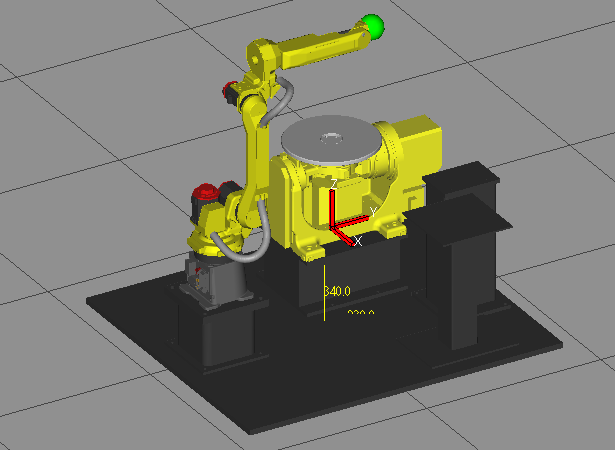 How Robotic Welding Positioners Improve Weld Penetration and Consistency
Dec 31,2025
The article introduces the definition, core advantages, applicable industries, and key selection factors of robotic welding positioners, emphasizing their practical value for welding automation.
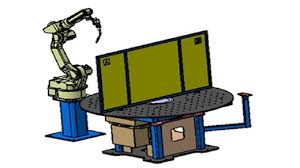 1-Axis vs. 3-Axis Positioners: Which One Does Your Welding Cell Need?
Dec 29,2025
Robotic welding cells rely on the right positioner configuration to achieve stable, efficient, and high-quality welding results. This article compares 1-axis and 3-axis welding positioners, explaining their motion capabilities, application scenarios, and key differences to help manufacturers select the most suitable solution for their welding automation needs.
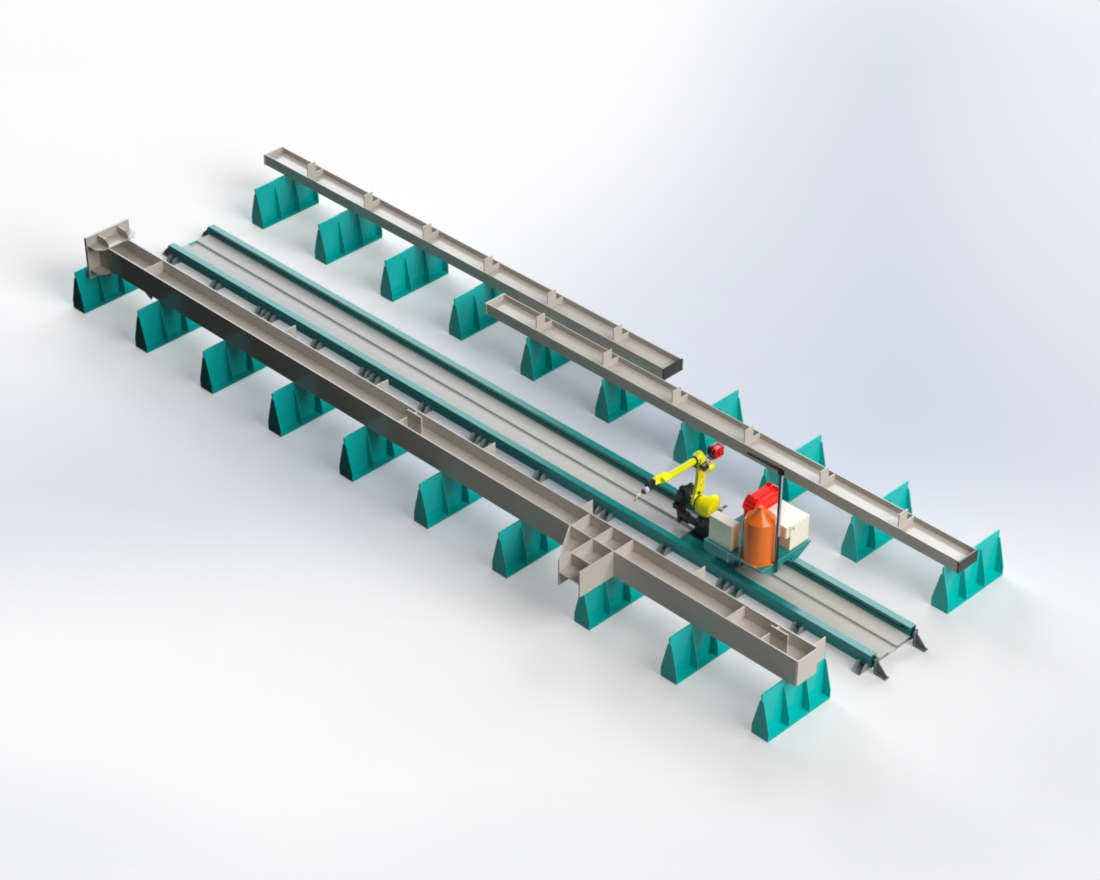 Extending the Work Envelope: How Linear Tracks Boost Productivity in Large-Scale Fabrication
Dec 26,2025
Robot linear tracks play a critical role in extending the work envelope of industrial robots used in large-scale fabrication. By enabling robots to travel along a linear axis, these systems significantly improve coverage, reduce repositioning time, and enhance overall production efficiency. In applications such as robotic welding, steel structure fabrication, and heavy equipment manufacturing, linear tracks allow a single robot to handle oversized workpieces with greater flexibility and consistency, making them an essential solution for scalable automation systems.
