About Us
Future Trends in Robotic Positioners and Automation Systems
Views : 557
Update time : 2025-12-16 14:58:00
Introduction
As the global manufacturing sector continues to shift toward greater automation, digitalization, and flexible production, robotic positioners have become essential components of modern automation systems. In applications such as welding, cutting, and heavy fabrication, manufacturers are moving beyond basic automation and focusing on building intelligent, reliable, and scalable production cells.
This evolution creates new demands for robotic welding positioners, including higher precision, deeper system integration, modular design, and long-term operational stability. Understanding these trends enables manufacturers to make informed decisions when planning future automation investments.
1. Deeper System Integration with Industrial Robots
One of the most important trends shaping the future of robotic positioners is deeper integration with industrial robots and control systems. While traditional positioners often operate as standalone units, next-generation robotic positioner systems are designed to function as fully synchronized external axes.
Advanced communication protocols and coordinated motion control enable robots and positioners to move simultaneously and smoothly. This high level of synchronization improves weld seam consistency, reduces unnecessary stops, and significantly shortens production cycle times.
2. Growing Demand for Higher Precision and Repeatability
As welding automation evolves toward more complex structures and tighter quality standards, precision and repeatability are becoming decisive performance factors. Future robotic welding positioners will increasingly adopt high-resolution servo systems, optimized transmission mechanisms, and reinforced mechanical structures.
These improvements enable positioners to maintain stable motion under heavy loads and during continuous, multi-shift operation, ensuring consistent weld quality across large production volumes.
3. Modular and Scalable Automation Concepts
Flexibility is now a core requirement in modern manufacturing environments. Rather than relying on fixed, single-purpose equipment, manufacturers are seeking automation solutions that can adapt to changing product types and production volumes.
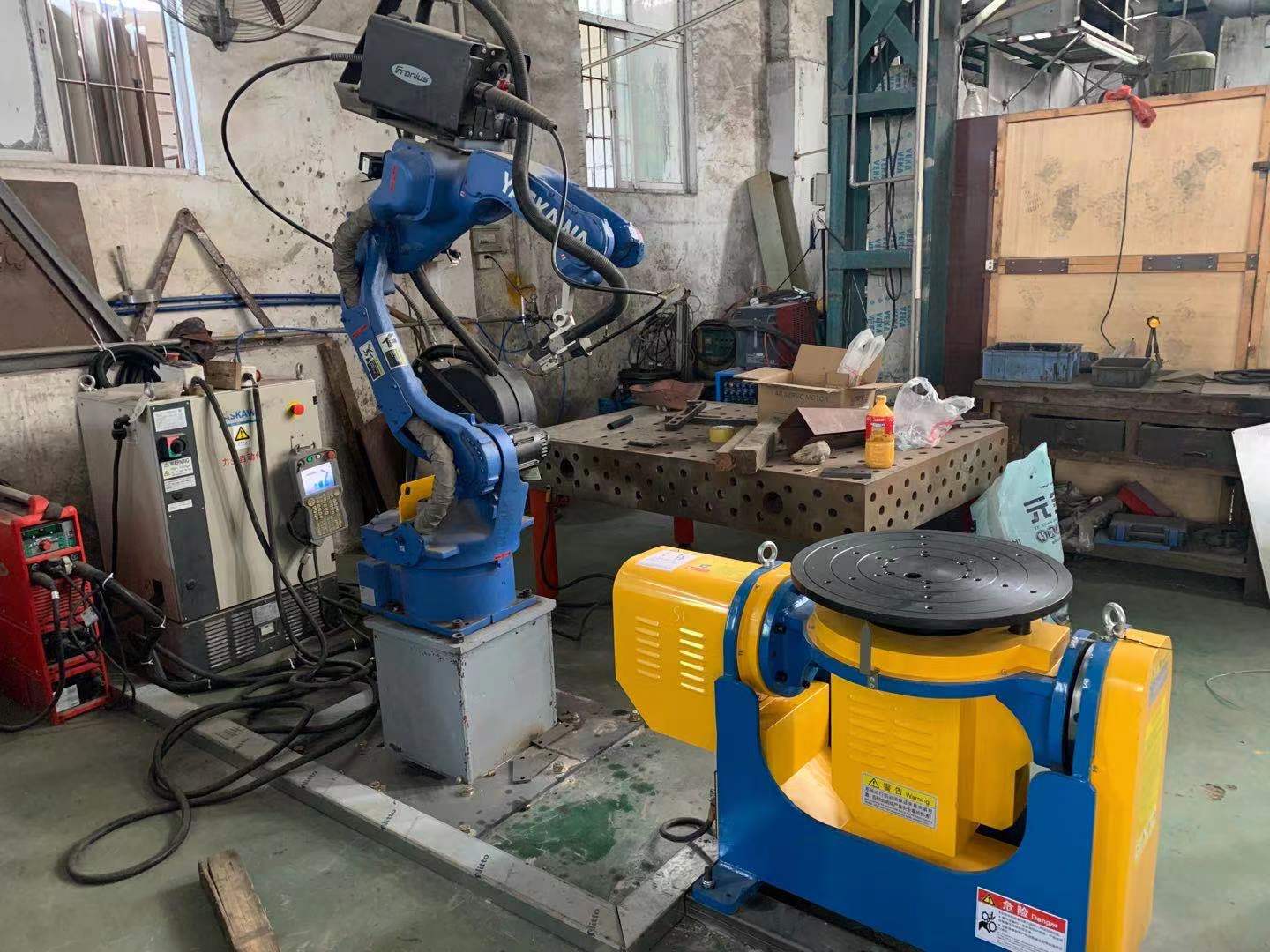
As a result, robotic positioners are transitioning toward modular and scalable designs. Stroke length, payload capacity, axis configuration, and installation orientation can be customized or expanded, allowing manufacturers to start with a basic system and upgrade as production demands grow.
4. Increased Focus on Payload Optimization and Structural Engineering
With the growing use of larger robots and heavier workpieces, payload optimization has become a key design consideration. Future robotic positioner systems will place greater emphasis on accurate load calculation, center-of-gravity management, and structural stiffness.
Proper payload matching improves motion stability, reduces mechanical stress, and significantly extends the service life of robotic positioners, helping manufacturers lower long-term maintenance and replacement costs.
5. Digitalization and Smart Monitoring Technologies
Digital technologies are rapidly reshaping industrial automation. Modern robotic positioners are increasingly equipped with sensors, diagnostics, and data interfaces that enable real-time monitoring of operating conditions such as position, load, and temperature.
These smart monitoring capabilities support predictive maintenance strategies, reduce unexpected downtime, and improve overall system reliability—critical factors for manufacturers focused on long-term operational stability.
6. Enhanced Safety and Global Compliance Requirements
As automation systems continue to grow in power and complexity, safety requirements are becoming increasingly important. Future robotic welding positioners will integrate advanced safety functions such as torque monitoring, coordinated emergency stop systems, and full compliance with international safety standards.
Stronger safety design not only protects operators but also simplifies system certification and global deployment across different markets.
Conclusion
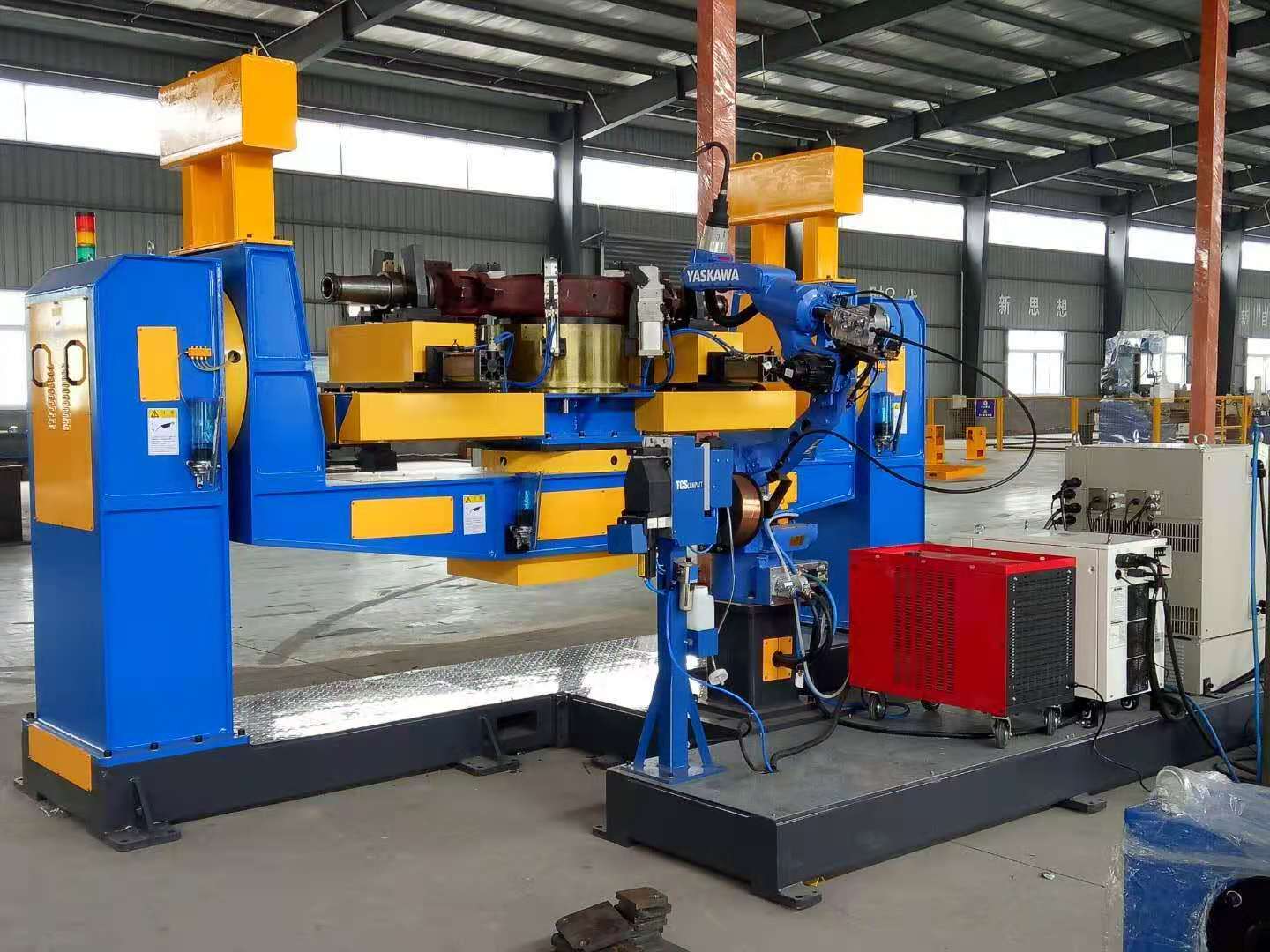
The future of robotic positioners is closely linked to the evolution of industrial automation. Trends such as deeper system integration, higher precision and repeatability, modular design, digital monitoring, and enhanced safety are shaping the next generation of robotic welding positioner systems.
By understanding these trends and working with experienced automation suppliers, manufacturers can build reliable, scalable solutions that support long-term productivity, consistent quality, and sustained competitive advantage.
相关新闻
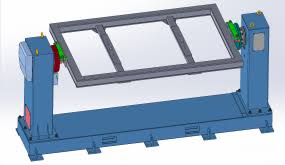 Reducing Cycle Times: The Role of Headstock-Tailstock Positioners in Automation
Jan 04,2026
Headstock-tailstock positioners are essential for automated welding applications involving long and heavy workpieces. By providing stable dual-end support and smooth, controlled rotation, these systems help reduce cycle time, improve welding consistency, and enhance overall efficiency in robotic welding cells.
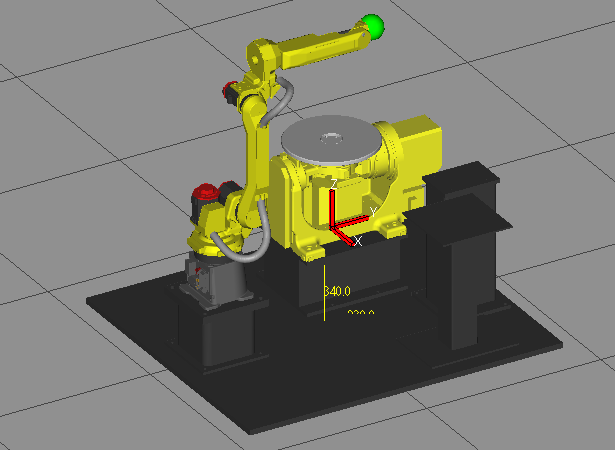 How Robotic Welding Positioners Improve Weld Penetration and Consistency
Dec 31,2025
The article introduces the definition, core advantages, applicable industries, and key selection factors of robotic welding positioners, emphasizing their practical value for welding automation.
 1-Axis vs. 3-Axis Positioners: Which One Does Your Welding Cell Need?
Dec 29,2025
Robotic welding cells rely on the right positioner configuration to achieve stable, efficient, and high-quality welding results. This article compares 1-axis and 3-axis welding positioners, explaining their motion capabilities, application scenarios, and key differences to help manufacturers select the most suitable solution for their welding automation needs.
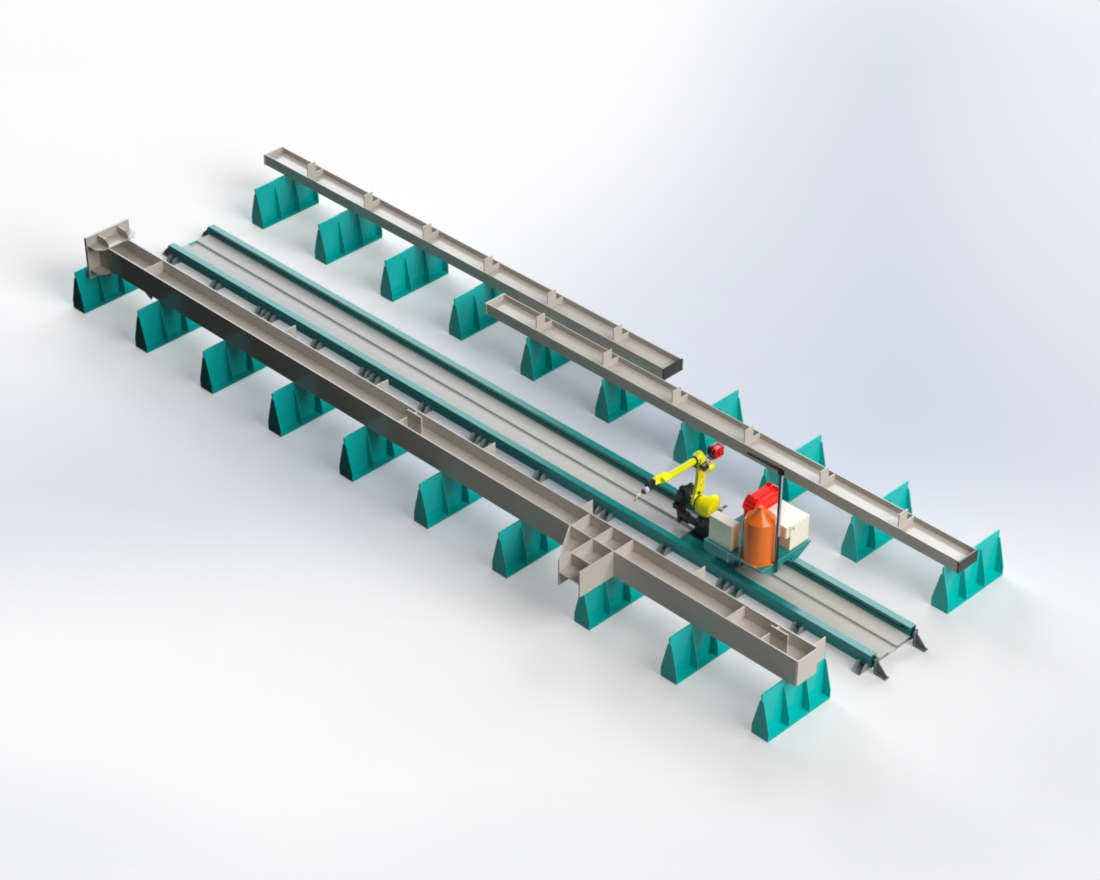 Extending the Work Envelope: How Linear Tracks Boost Productivity in Large-Scale Fabrication
Dec 26,2025
Robot linear tracks play a critical role in extending the work envelope of industrial robots used in large-scale fabrication. By enabling robots to travel along a linear axis, these systems significantly improve coverage, reduce repositioning time, and enhance overall production efficiency. In applications such as robotic welding, steel structure fabrication, and heavy equipment manufacturing, linear tracks allow a single robot to handle oversized workpieces with greater flexibility and consistency, making them an essential solution for scalable automation systems.
