How to Choose the Right Welding Robot Positioner Manufacturer: A Complete Guide
Introduction
Selecting the right welding robot positioner manufacturer is a critical decision for businesses looking to improve automation and welding precision. Welding positioners play a crucial role in the robotic welding process by ensuring the correct alignment of workpieces for precise and high-quality welds. With so many manufacturers in the market, it can be challenging to determine which one offers the best value, quality, and reliability. In this blog post, we will explore the key factors to consider when choosing a welding robot positioner manufacturer, helping you make an informed decision that meets your business needs.
1. Understand Your Specific Welding Needs
Before diving into the search for a manufacturer, it's important to have a clear understanding of your specific welding requirements. Consider the following factors:
- Type of Workpieces: Are you welding large or small components? The size and weight of your workpieces will affect the type of positioner you need.
- Welding Process: Do you require a positioner for MIG, TIG, or robotic arc welding? Different welding processes may require different positioner specifications.
- Automation Level: Are you looking for a fully automated system, or do you need a semi-automated positioner?
Knowing your needs will help narrow down the manufacturers who specialize in your desired applications and processes.
2. Evaluate the Manufacturer’s Experience and Reputation
Experience in the industry and a solid reputation are critical indicators of a welding robot positioner manufacturer's reliability. Look for manufacturers with:
- Years of Experience: A manufacturer with a proven track record is more likely to produce high-quality, durable products.
- Customer Testimonials and Reviews: Check customer feedback to ensure the manufacturer is known for delivering products that meet quality and performance expectations.
- Industry Expertise: Ensure the manufacturer has experience working with industries similar to yours, such as automotive, aerospace, or heavy machinery.
3. Assess Product Quality and Customization Options
The quality of the welding positioner is paramount for ensuring consistent performance and long-term reliability. When selecting a manufacturer, look for:
- High-Quality Materials: A reputable manufacturer will use durable materials like high-grade steel to ensure longevity and reliability under high-stress conditions.
- Customization: Depending on your needs, you may require a robot welding positioner with specific dimensions, load capacities, or rotation features. Ensure the manufacturer offers customizable options to fit your unique requirements.
4. Consider the Level of Technical Support and After-Sales Service
Technical support and after-sales service are essential when choosing a robot welding positioner manufacturer. Here are some aspects to consider:
- Installation Support: Does the manufacturer provide installation guidance or services to ensure the positioner is set up properly in your facility?
- Training: Ensure that the manufacturer offers training for your team on how to operate and maintain the positioner.
- Warranty and Maintenance: Ask about warranty terms and post-purchase maintenance support. A manufacturer that offers comprehensive warranty and maintenance plans can save you significant time and money in the long run.
5. Check for Compatibility with Your Robotic Systems
Your welding robot positioner needs to seamlessly integrate with the robotic arms you already use, such as those from brands like ABB, KUKA, FANUC, or YASKAWA. Ensure that the manufacturer offers positioners that are compatible with your existing robotic systems. A good manufacturer will provide clear documentation and support for integrating the positioner with your robots.
6. Review Pricing and Delivery Times
Cost-effectiveness is an important factor, but it should never come at the expense of quality. When considering different manufacturers, compare:
- Pricing: Ensure the price aligns with the product’s quality and features. The cheapest option might not always be the best in terms of durability and performance.
- Lead Times: Check the manufacturer’s delivery timelines. Are they able to deliver the positioner within your required timeframe?
7. Innovation and Technology
The robotics industry is constantly evolving, and you want to ensure your manufacturer stays ahead of the curve. Look for manufacturers who invest in cutting-edge technology and are committed to innovation. This could include features like:
- Advanced Control Systems: Positioners with sophisticated control systems for enhanced precision and performance.
- Smart Positioning: Integration with Industry 4.0 standards, allowing for remote monitoring and diagnostics.
Conclusion
Choosing the right welding robot positioner manufacturer is an important step toward improving your welding automation and boosting your production efficiency. By considering factors like your specific needs, product quality, experience, support, compatibility, and pricing, you can make an informed decision that drives long-term success. Do thorough research, ask the right questions, and select a manufacturer that offers both top-quality products and excellent customer service.
If you're ready to explore high-quality robot welding positioners, Weld Axis offers a range of customizable solutions tailored to your needs. Contact us today to find the right positioner for your business!
 Reducing Cycle Times: The Role of Headstock-Tailstock Positioners in Automation
 How Robotic Welding Positioners Improve Weld Penetration and Consistency
 1-Axis vs. 3-Axis Positioners: Which One Does Your Welding Cell Need?
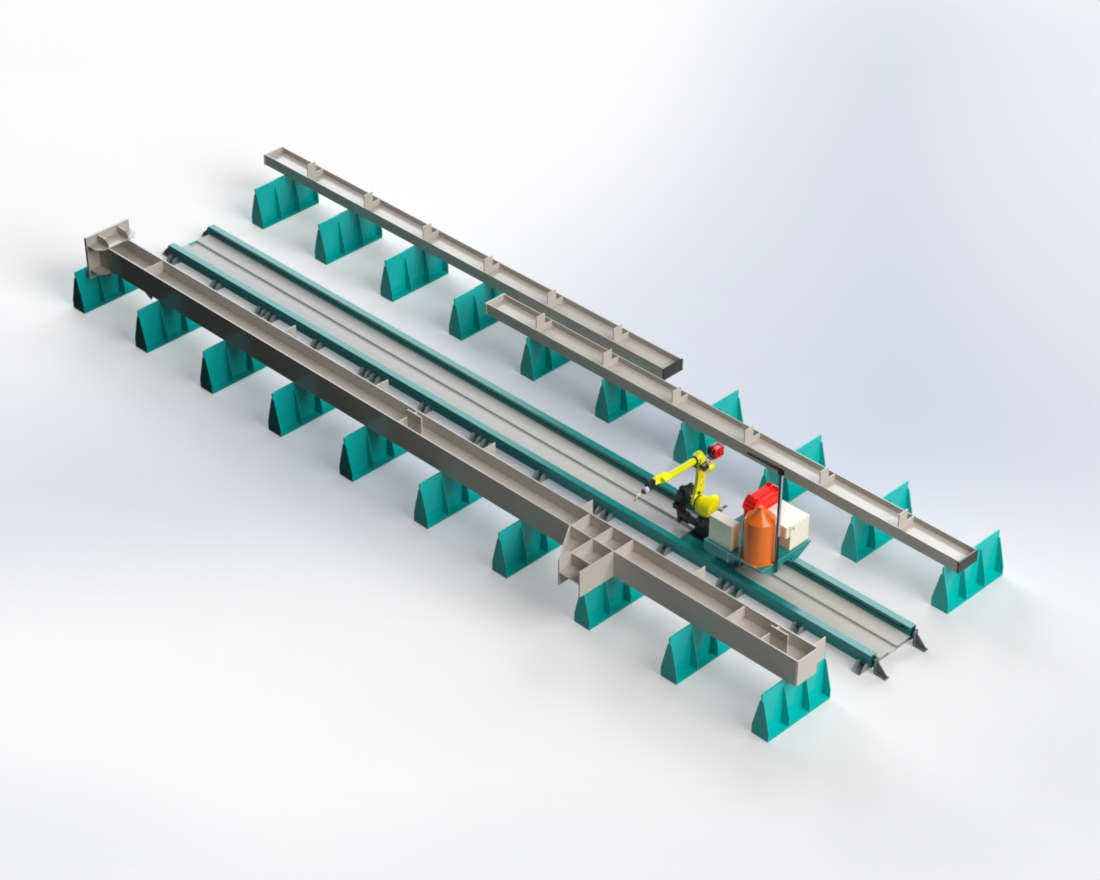 Extending the Work Envelope: How Linear Tracks Boost Productivity in Large-Scale Fabrication
