Introduction
In high-speed robotic welding applications, selecting the right linear slide rail plays a critical role in ensuring motion stability, positioning accuracy, and long-term system reliability. For manufacturers using high-speed welding robots, an optimized robot linear rail system can significantly improve welding consistency and production efficiency.
This article explains how to evaluate and select the most suitable linear slide rail for welding robots, focusing on key technical factors that influence performance in demanding automation environments.
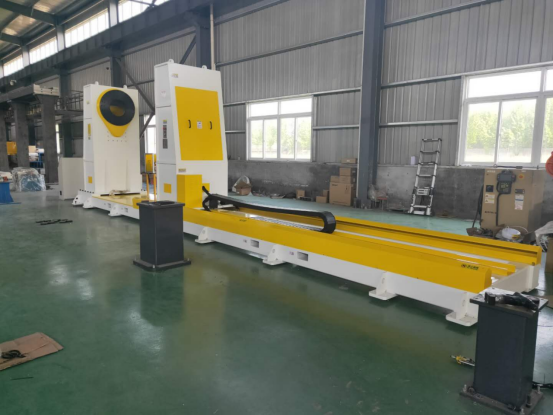
1. Load Capacity and Structural Rigidity
High-speed welding robots generate dynamic loads during acceleration, deceleration, and continuous operation. When choosing a robot linear slide rail, it is essential to evaluate both static and dynamic load capacity.
A rail system with insufficient rigidity may lead to deflection, vibration, and reduced weld accuracy. High-rigidity linear slide rails help maintain stable robot motion and ensure consistent weld seam quality.
2. Positioning Accuracy and Repeatability
For robotic welding applications, precise positioning and repeatability directly affect weld quality. Even minor deviations can result in inconsistent weld penetration or misaligned seams.
When selecting a linear slide rail for high-speed welding robots, engineers should consider parameters such as guide clearance, bearing preload, and repeat positioning accuracy. Optimized rail designs reduce backlash and improve motion consistency under continuous operation.
3. Travel Speed and Dynamic Performance
High-speed welding requires linear rails capable of supporting rapid acceleration and high travel speeds without sacrificing stability. Rails designed for high-speed automation typically feature optimized rolling elements and low-friction guidance systems.
Matching the linear slide rail performance with the robot’s motion characteristics helps minimize vibration and improves overall system responsiveness.
4. Welding Environment and Protection Requirements
Robotic welding environments expose equipment to heat, spatter, metal dust, and fumes. Selecting a linear rail system with proper sealing, protective covers, and corrosion-resistant materials is essential for maintaining long-term reliability.
A well-protected robot linear rail reduces maintenance frequency and prevents premature component failure in harsh welding conditions.
5. Maintenance and Service Life Considerations
Ease of maintenance is a critical factor when evaluating linear slide rails for robotic welding automation. Systems that support centralized or automatic lubrication help maintain smooth motion and reduce wear during continuous operation.
Long service life not only improves system uptime but also lowers the total cost of ownership for welding automation lines.
6. System Integration and Layout Compatibility
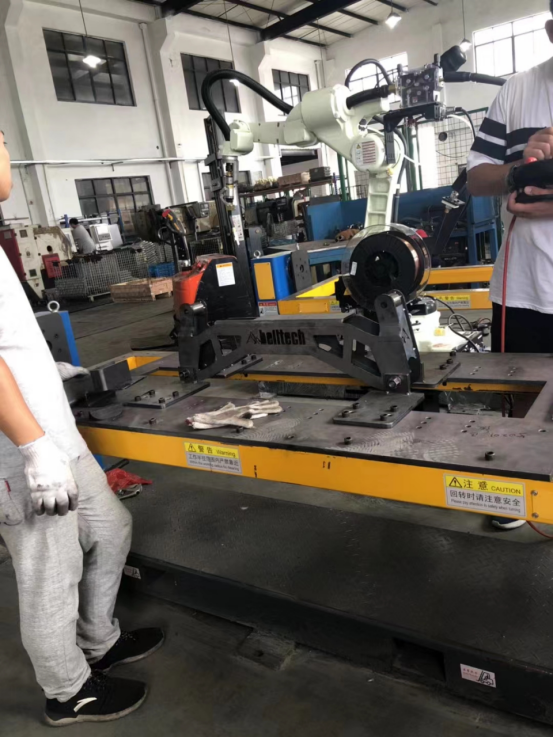
A suitable linear slide rail must integrate seamlessly with the welding robot, fixtures, and overall cell layout. Proper mounting interfaces, alignment accuracy, and modular design simplify installation and future expansion.
Conclusion
Selecting the right linear slide rail for high-speed welding robots requires careful consideration of load capacity, rigidity, accuracy, speed performance, environmental protection, and maintenance requirements. By choosing a well-engineered robot linear rail system, manufacturers can improve welding quality, enhance production stability, and support long-term automation growth.
For more information or technical support regarding linear slide rails for robotic welding applications, please contact us.
 Reducing Cycle Times: The Role of Headstock-Tailstock Positioners in Automation
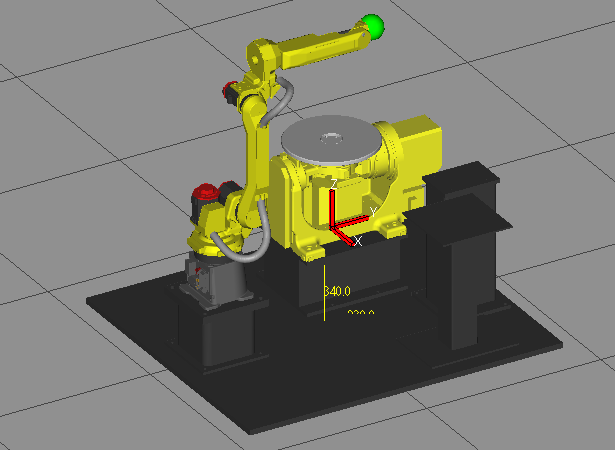 How Robotic Welding Positioners Improve Weld Penetration and Consistency
 1-Axis vs. 3-Axis Positioners: Which One Does Your Welding Cell Need?
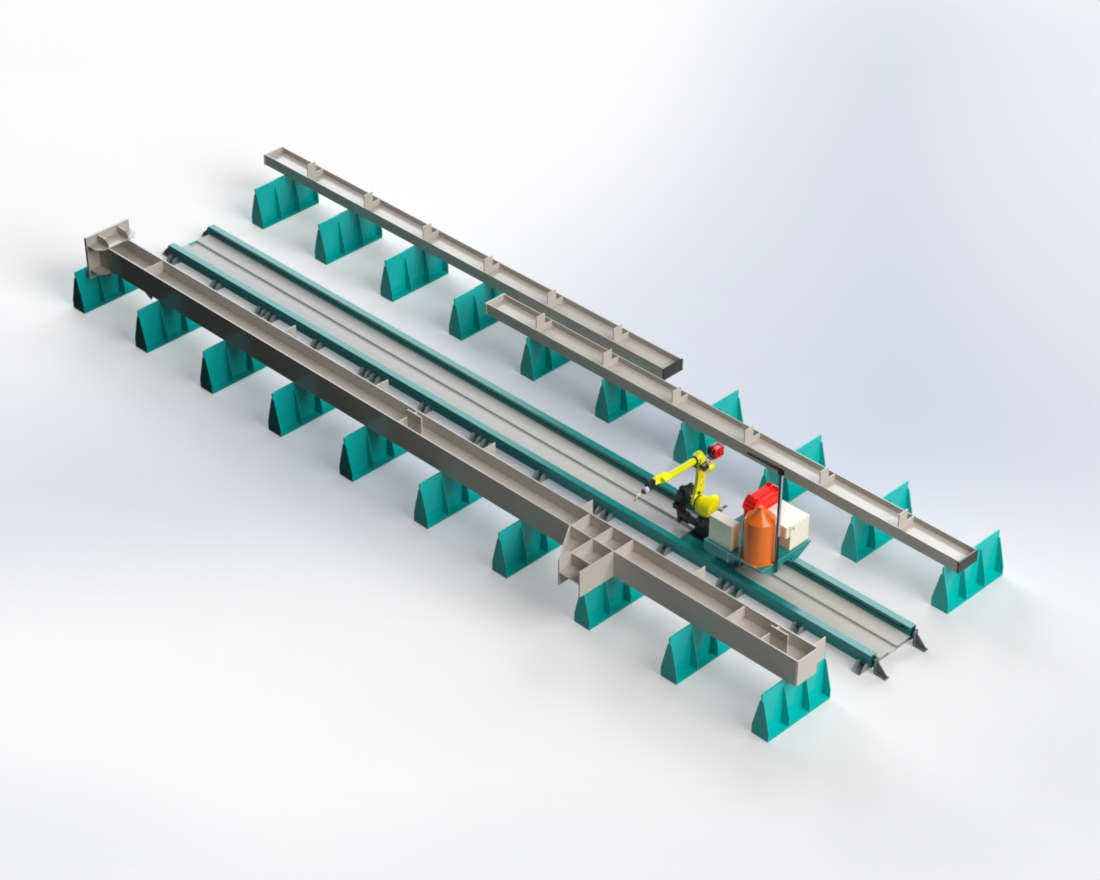 Extending the Work Envelope: How Linear Tracks Boost Productivity in Large-Scale Fabrication
