Manufacturers often ask: “Are welding robots more expensive than manual welding?” While industrial welding robots require higher upfront investment, long-term cost comparisons show that cost-effective welding automation solutions are far more economical. Key data analysis and insights for global buyers follow:
1. Direct Cost Comparison
Welding Robot
• Initial Investment: $20,000–50,000 (Lifespan: 8–10 years for high-precision industrial robots)
• Monthly Ongoing Costs: $400–700 (Energy + Routine Maintenance for automated welding systems)
Manual Welding
• Initial Investment: $1,000–3,000 (Basic Equipment with limited precision)
• Monthly Ongoing Costs: $5,000–8,300 per worker (Wages + Social Insurance + Overtime + Skill Training)
Conclusion: One high-precision welding robot can replace 2–3 manual welders, reducing monthly operational costs by 70–80% for manufacturing facilities. As a trusted China industrial robot supplier, we’ve verified this data across automotive, metal processing, and heavy-duty manufacturing sectors.
2. Indirect Cost Comparison
• Defects & Rework: Manual welding defect rate ranges from 3–8%, while industrial welding robots maintain a defect rate below 2% → Rework costs reduced by 40–60% for critical applications like automotive component welding.
• Efficiency & Output: Automated welding systems operate 24/7 without fatigue, achieving 5x the output of manual welding—ideal for high-volume production lines.
• Training & Turnover: Manual welding training costs $5,000–10,000 per worker with high turnover risks; welding robot operators require only 1–2 weeks of training, reducing long-term labor costs.
3. Conclusion
Manual welding offers lower short-term upfront costs, but robotic welding delivers significant long-term cost savings, higher production efficiency, and consistent quality—key factors for global manufacturers seeking competitive advantages.
Want to calculate your potential savings with cost-effective welding automation? Contact WRS ROBTICS, a professional China industrial robot supplier, today for a free customized cost analysis and quote!
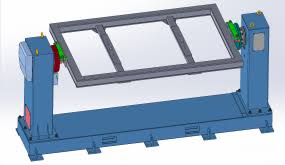 Reducing Cycle Times: The Role of Headstock-Tailstock Positioners in Automation
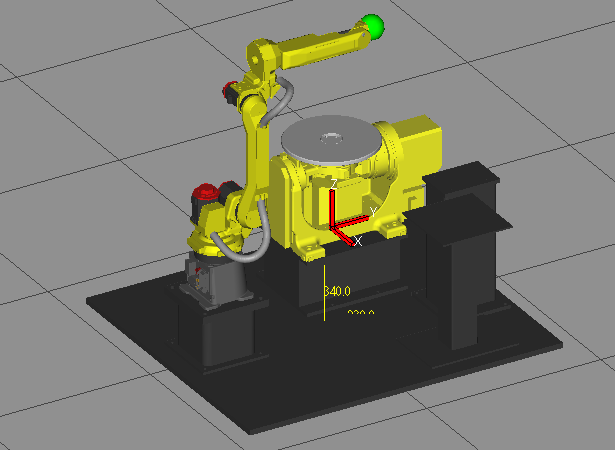 How Robotic Welding Positioners Improve Weld Penetration and Consistency
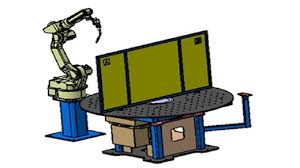 1-Axis vs. 3-Axis Positioners: Which One Does Your Welding Cell Need?
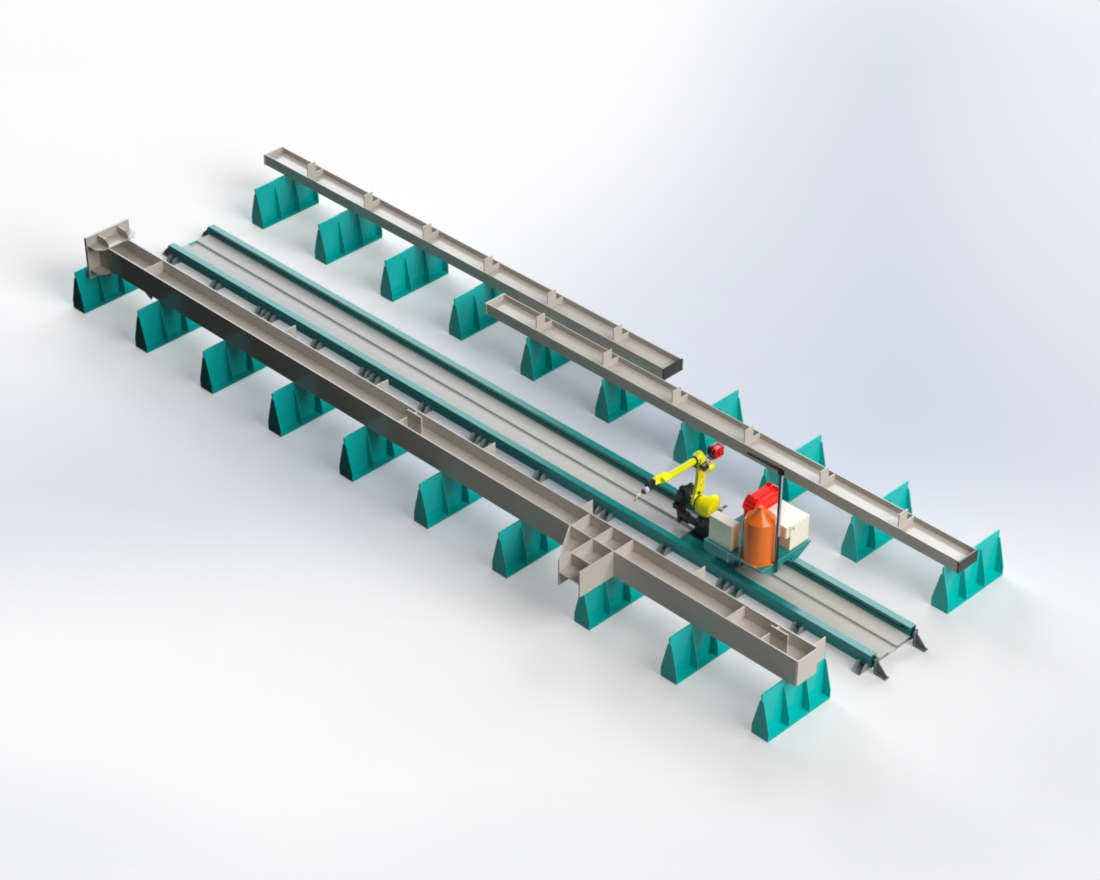 Extending the Work Envelope: How Linear Tracks Boost Productivity in Large-Scale Fabrication
