Introduction
As robotic automation systems continue to evolve, manufacturers are under increasing pressure to improve productivity without significantly expanding factory floor space. One proven solution is the integration of a 7th axis linear track, also known as a robot travel rail, which extends robot reach and enhances overall system flexibility.
By adding a linear axis to a standard industrial robot, manufacturers can unlock new capabilities in welding automation, material handling, and large-scale production applications.
What Is a 7th Axis Linear Track?
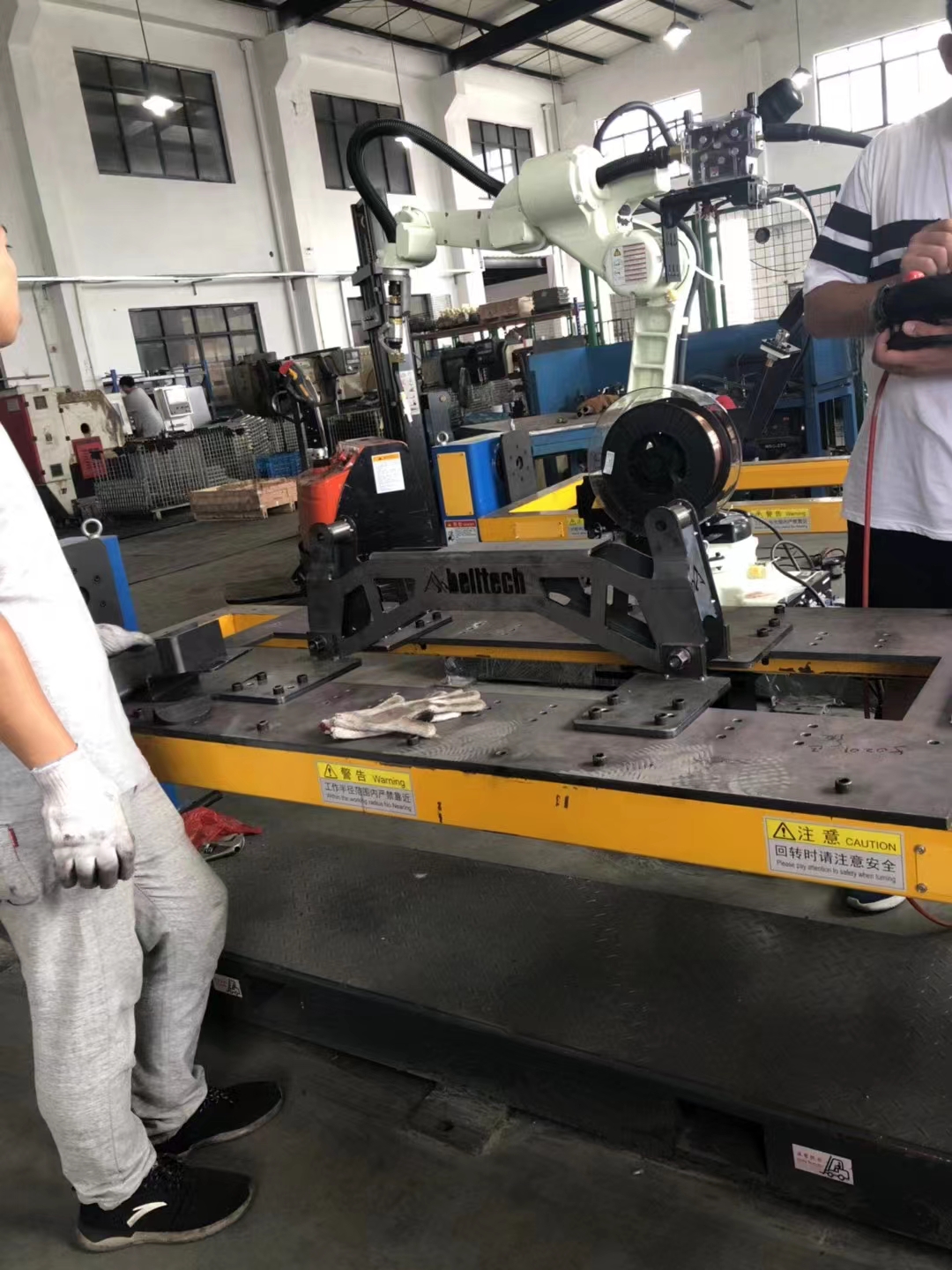
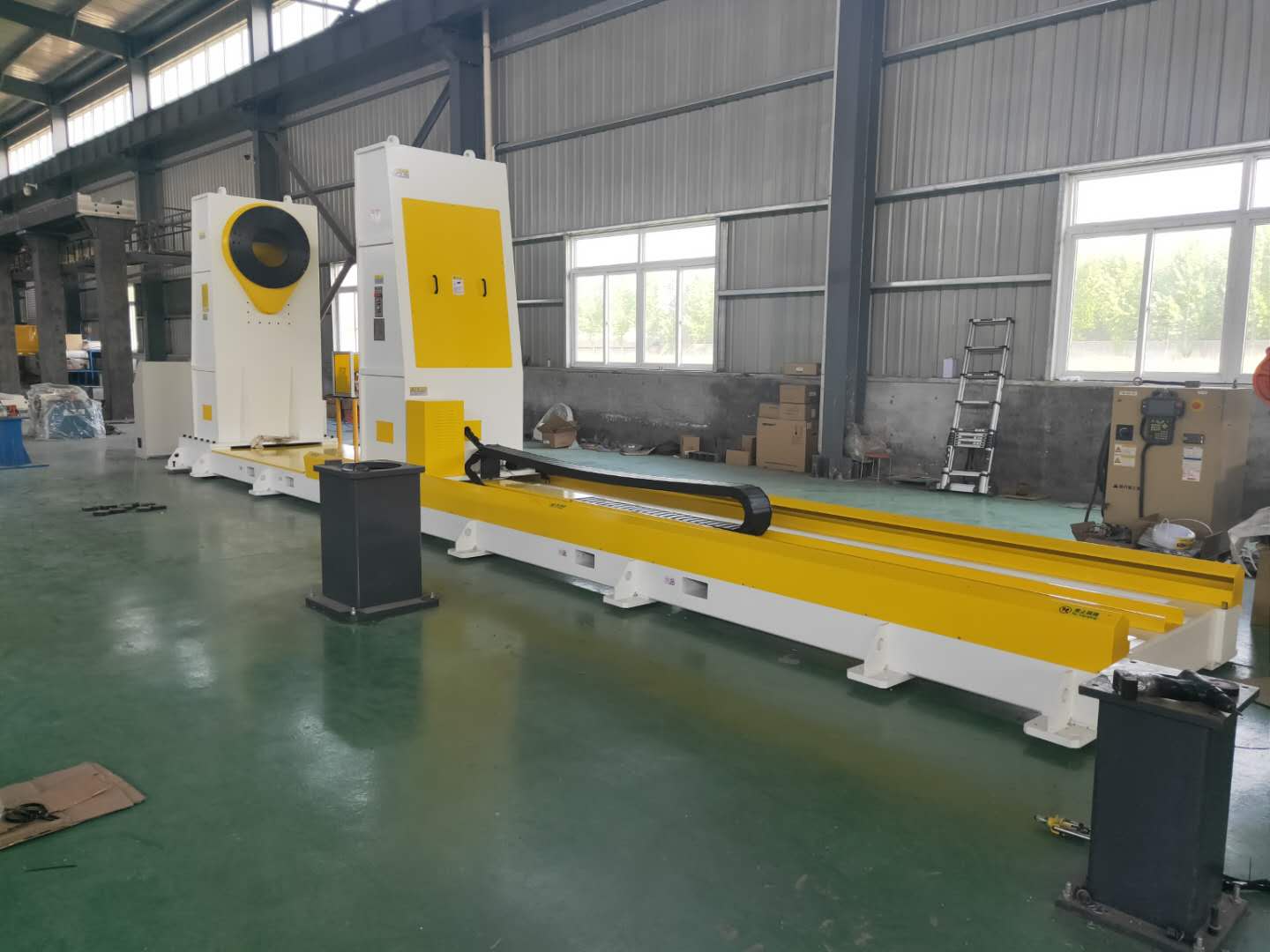
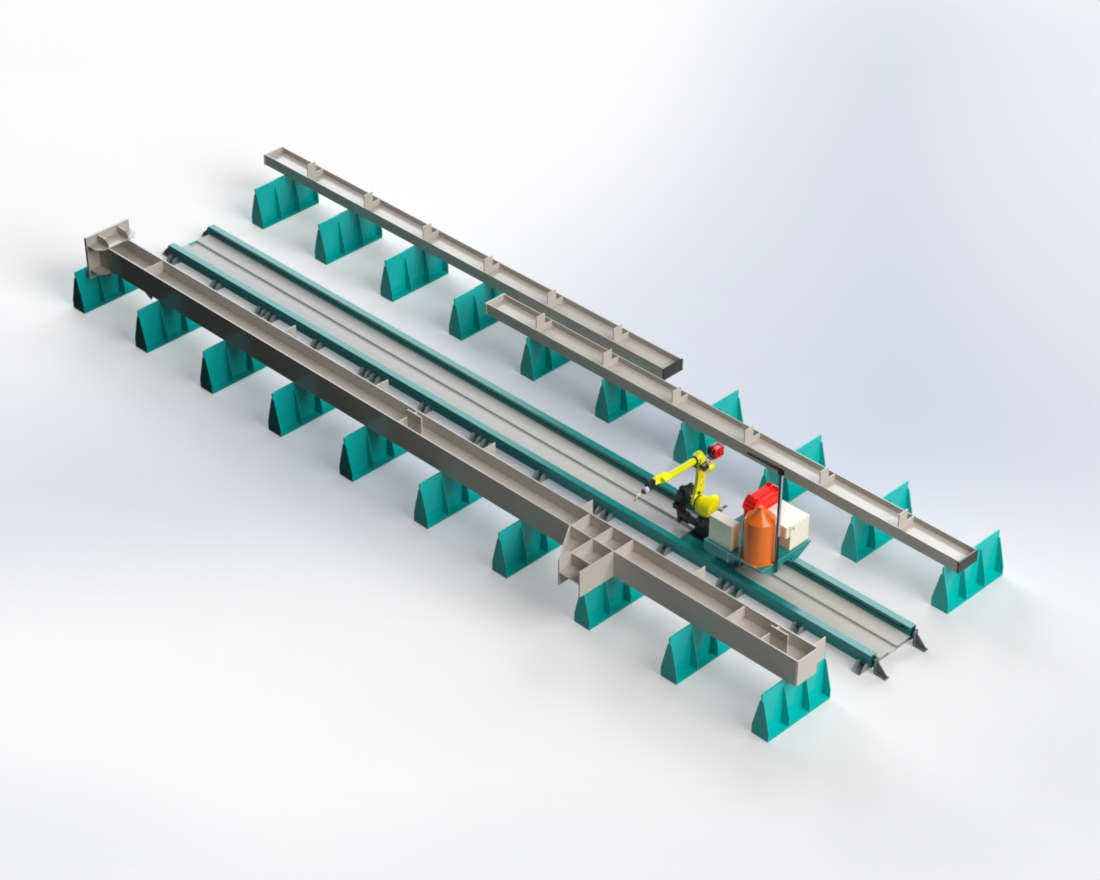
A 7th axis linear track is an external linear motion system that allows a robot to travel along a fixed path, effectively extending its working envelope beyond the limits of its standard arm reach.
Instead of installing multiple robots or repositioning workpieces, a single robot mounted on a linear track can service multiple stations or cover long work areas with consistent accuracy.
Why Robot Reach Matters in Automation Systems
Limited robot reach often leads to:
- Inefficient cell layouts
- Increased number of robots
- Higher system cost and complexity
A 7th axis linear track solves these issues by enabling one robot to perform tasks across a larger workspace, reducing redundancy while improving workflow efficiency.
Key Benefits of Adding a 7th Axis Linear Track
1. Expanded Working Envelope
A linear track dramatically increases the robot’s operational range, making it ideal for:
- Long welding seams
- Large structural components
- Multi-station production lines
This is especially valuable in robotic welding automation, where continuous motion and accessibility directly affect weld quality and cycle time.
2. Improved Production Efficiency
With a robot traveling along a linear axis, tasks that once required multiple robots can now be completed by a single automated system. This reduces:
- Cycle time
- System integration complexity
- Maintenance requirements
3. Enhanced Flexibility and Scalability
A 7th axis linear track allows automation systems to adapt to changing production needs. Travel length, payload capacity, and axis configuration can be customized or expanded, supporting future upgrades without redesigning the entire system.
4. Optimized Space Utilization
By extending robot movement horizontally instead of vertically, linear tracks help manufacturers maximize available floor space—an important factor in modern production facilities with limited expansion options.
Applications That Benefit Most from a 7th Axis
Robots mounted on linear tracks are widely used in:
- Robotic welding of long or large workpieces
- Automotive body and chassis production
- Heavy fabrication and steel structure welding
- Automated material handling and palletizing
In these applications, a linear axis ensures smooth, coordinated motion and consistent process quality.
Key Considerations When Selecting a 7th Axis Linear Track
When integrating a 7th axis linear track, manufacturers should evaluate:
- Robot size and payload
- Required travel length
- Positioning accuracy and repeatability
- Load distribution and center of gravity
- Installation environment and maintenance access
Proper system matching ensures long-term reliability and stable operation.
Conclusion
A 7th axis linear track is no longer an optional upgrade—it is a strategic component for modern robotic automation systems. By maximizing robot reach, improving flexibility, and optimizing production efficiency, linear tracks enable manufacturers to build scalable, high-performance automation solutions.
For applications requiring extended reach, long workpieces, or multi-station coverage, integrating a robot linear track delivers clear technical and economic advantages.
Contact us now!
 Reducing Cycle Times: The Role of Headstock-Tailstock Positioners in Automation
 How Robotic Welding Positioners Improve Weld Penetration and Consistency
 1-Axis vs. 3-Axis Positioners: Which One Does Your Welding Cell Need?
 Extending the Work Envelope: How Linear Tracks Boost Productivity in Large-Scale Fabrication
