Comparing Different Types of Ground Rails for Robotic Applications
Introduction
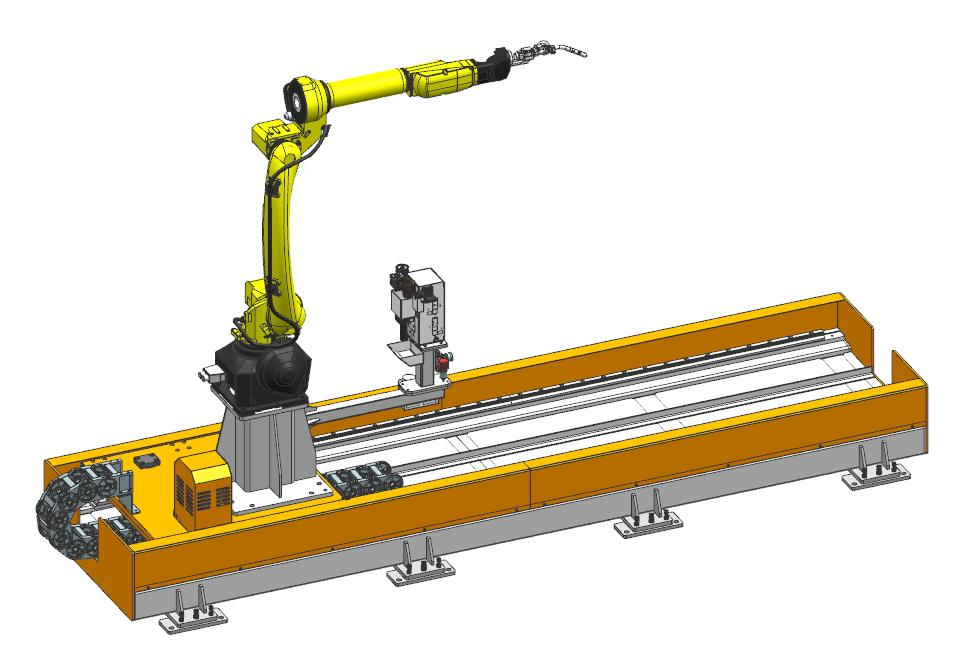
Ground rails, also known as robot travel rails or linear tracks, are widely used in robotic applications to extend robot reach, increase workspace flexibility, and improve automation efficiency. Selecting the right ground rail system is essential for achieving stable motion, accurate positioning, and long-term reliability in industrial robotic systems.
This article compares different types of ground rails used in robotic applications, helping manufacturers choose suitable solutions based on load capacity, precision requirements, installation conditions, and application needs.

1. Light-Duty Ground Rails
Light-duty ground rails are designed for small robots and low-payload robotic applications. They are commonly used in light assembly, pick-and-place operations, and small robotic welding cells.
Key Characteristics
Lower load capacity
Compact and lightweight structure
Simple installation
Cost-effective solution for basic robotic systems
Typical Applications
Small robotic welding stations
Assembly and handling tasks
Short travel distance requirements
2. Medium-Duty Ground Rails
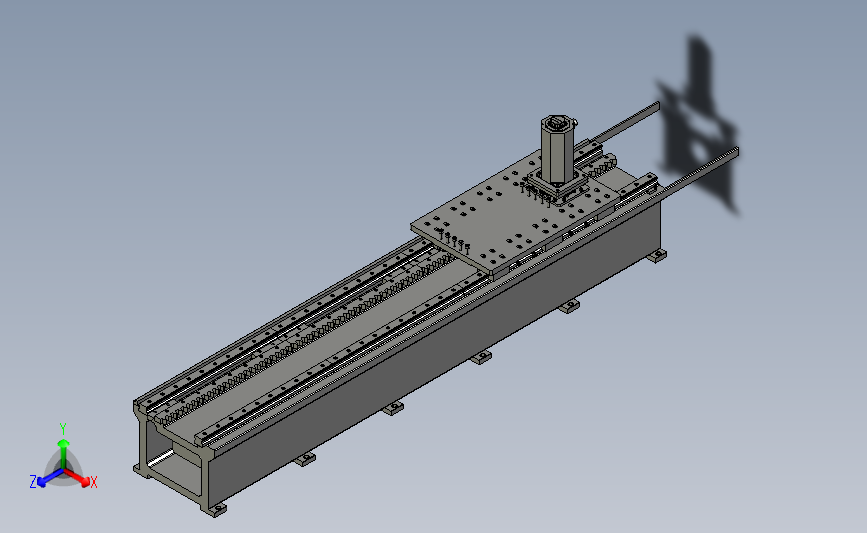
Medium-duty ground rails offer a balance between load capacity, precision, and flexibility. They are widely used in welding automation, material handling, and general industrial robotic systems.
Key Characteristics
Moderate to high load capacity
High positioning accuracy and repeatability
Servo-driven motion system
Modular and scalable design
Typical Applications
Robotic welding production lines
Automated material handling systems
Flexible robotic applications
3. Heavy-Duty Ground Rails
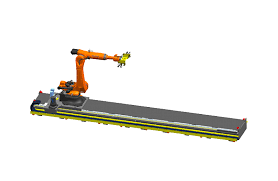
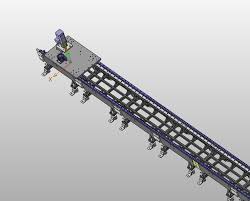
Heavy-duty ground rails are engineered for large robots and heavy workpieces. Reinforced mechanical structures ensure stable motion in demanding robotic applications with long travel distances.
Key Characteristics
Very high load capacity
Reinforced mechanical structure
Suitable for long travel distances
Designed for continuous heavy-duty robotic systems
Typical Applications
Large-structure robotic welding
Automotive body and chassis manufacturing
Heavy industrial robotic applications
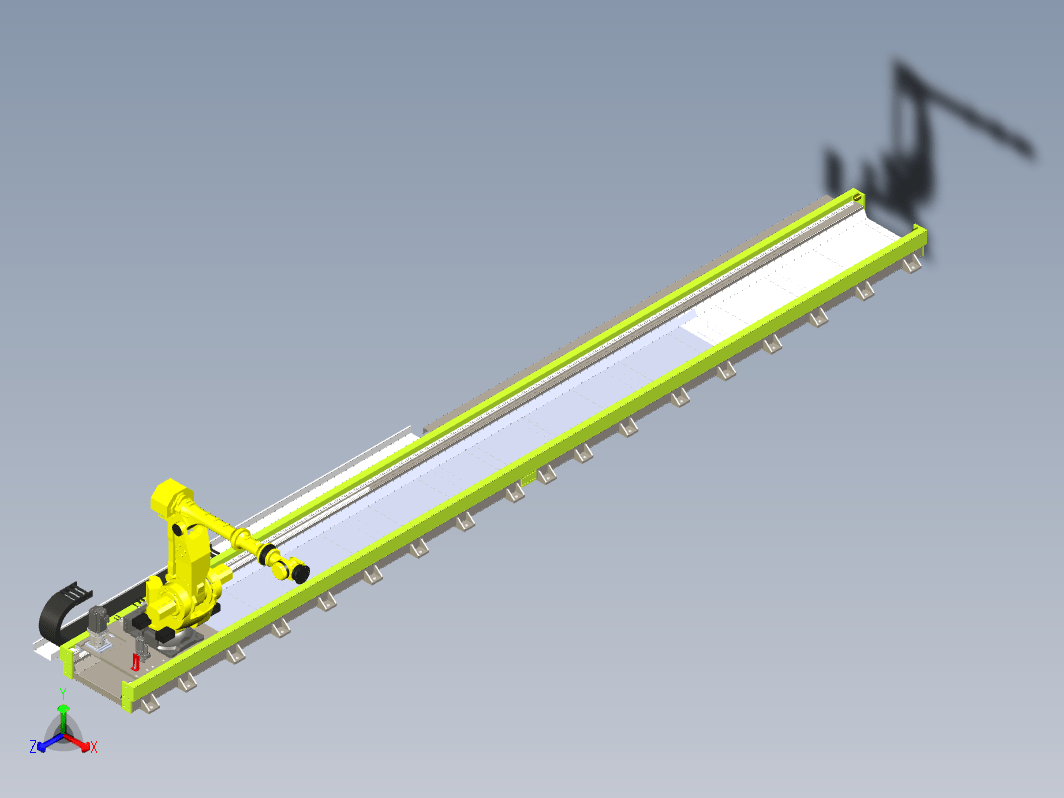
4. Belt-Driven vs. Rack-and-Pinion Ground Rails
Belt-Driven Ground Rails
Belt-driven ground rails are suitable for high-speed, low-load robotic applications. They provide smooth motion but have limitations in load capacity and long-term precision.
Rack-and-Pinion Ground Rails
Rack-and-pinion ground rails are widely used in welding automation and heavy-duty robotic applications due to their strength and positioning accuracy.
5. Key Factors in Selecting a Ground Rail System
When selecting ground rails for robotic applications, manufacturers should consider robot size, payload, travel length, precision requirements, installation conditions, and long-term scalability of robotic systems.
Conclusion
Different types of ground rails serve different robotic applications. By understanding these differences and working with experienced automation suppliers, manufacturers can build reliable and scalable robotic systems.
 Comparing Different Types of Ground Rails for Robotic Applications
 Maintenance Tips for Extending the Lifespan of Your Robotic Positioners
 Case Study: Successful Implementation of Robotic Positioners in Automotive Manufacturing
 Future Trends in Robotic Positioners and Automation Systems
