Weld  Axis

Reducing Cycle Times: The Role of Headstock-Tailstock Positioners in Automation

Views : 8
Update time : 2026-01-04 16:04:00


Introduction


In automated welding and fabrication environments, reducing cycle time is a key objective for improving productivity and lowering manufacturing costs. Among various workpiece positioning solutions, headstock-tailstock positioners play a critical role in handling long, heavy, or asymmetrical components while maintaining stable rotation and precise alignment.


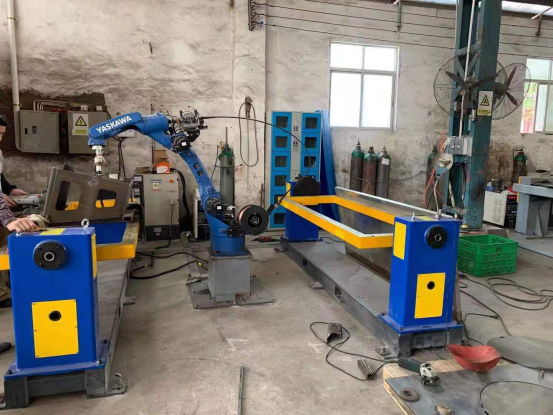
By supporting workpieces at both ends, headstock-tailstock systems enable smoother motion, better load distribution, and faster welding cycles in robotic automation cells.


What Is a Headstock-Tailstock Positioner?


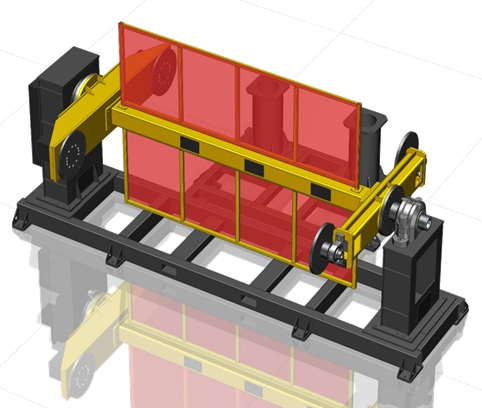
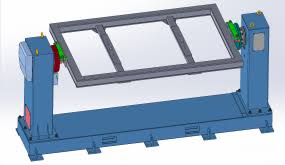
A headstock-tailstock positioner consists of a driven headstock and a synchronized tailstock that supports the opposite end of the workpiece. This configuration is especially suitable for long or shaft-type components that require controlled rotation during welding.

Key features include:

  • Dual-end workpiece support
  • Stable and balanced rotation
  • Adjustable tailstock positioning
  • High load and torque capacity


How Headstock-Tailstock Positioners Reduce Cycle Time


Improved Load Stability and Motion Control

Supporting the workpiece at both ends significantly reduces vibration and deflection during rotation. This allows higher rotational speeds without sacrificing accuracy, directly shortening welding cycle time.


Reduced Repositioning and Manual Handling

With continuous and stable rotation, weld seams can be completed in fewer stops. This minimizes manual intervention, repositioning, and idle time within the welding cell.


Optimized Robot Path Planning

Stable, predictable rotation allows welding robots to follow smoother, uninterrupted welding paths. This improves arc stability and reduces unnecessary robot movements, further enhancing efficiency.


Ideal Applications for Headstock-Tailstock Positioners


Headstock-tailstock positioners are commonly used in:


  • Structural beams and frames
  • Cylindrical or shaft-like components
  • Long pipe and tube welding
  • Heavy fabrication with uneven load distribution


These applications benefit most from consistent rotation and balanced support throughout the welding process.


Key Considerations When Selecting a Headstock-Tailstock Positioner


When choosing a headstock-tailstock system, manufacturers should consider:


  • Maximum workpiece length and weight
  • Center-of-gravity position
  • Required rotational speed and torque
  • Integration with robots and control systems

Proper system matching ensures reliable operation, reduced cycle time, and long-term performance stability.


Conclusion


Headstock-tailstock positioners play an essential role in reducing cycle times for automated welding and fabrication applications. By providing stable dual-end support, smoother rotation, and improved robot coordination, these systems help manufacturers achieve higher productivity and consistent welding quality in demanding automation environments.

Contact us to discuss the right headstock-tailstock positioner solution for your automation system.


相关新闻
Reducing Cycle Times: The Role of Headstock-Tailstock Positioners in Automation Reducing Cycle Times: The Role of Headstock-Tailstock Positioners in Automation
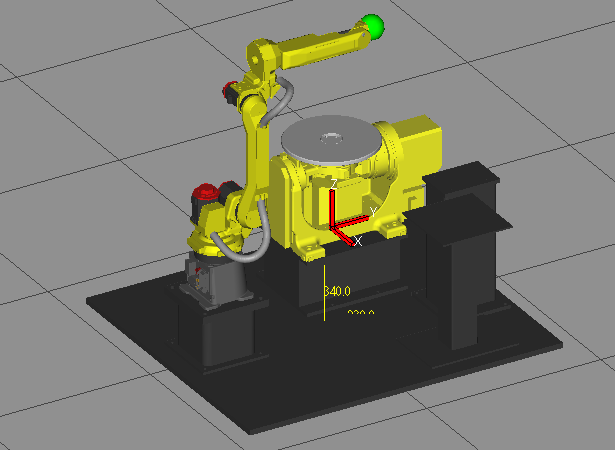
Jan 04,2026
Headstock-tailstock positioners are essential for automated welding applications involving long and heavy workpieces. By providing stable dual-end support and smooth, controlled rotation, these systems help reduce cycle time, improve welding consistency, and enhance overall efficiency in robotic welding cells.
How Robotic Welding Positioners Improve Weld Penetration and Consistency How Robotic Welding Positioners Improve Weld Penetration and Consistency
Dec 31,2025
The article introduces the definition, core advantages, applicable industries, and key selection factors of robotic welding positioners, emphasizing their practical value for welding automation.
1-Axis vs. 3-Axis Positioners: Which One Does Your Welding Cell Need? 1-Axis vs. 3-Axis Positioners: Which One Does Your Welding Cell Need?
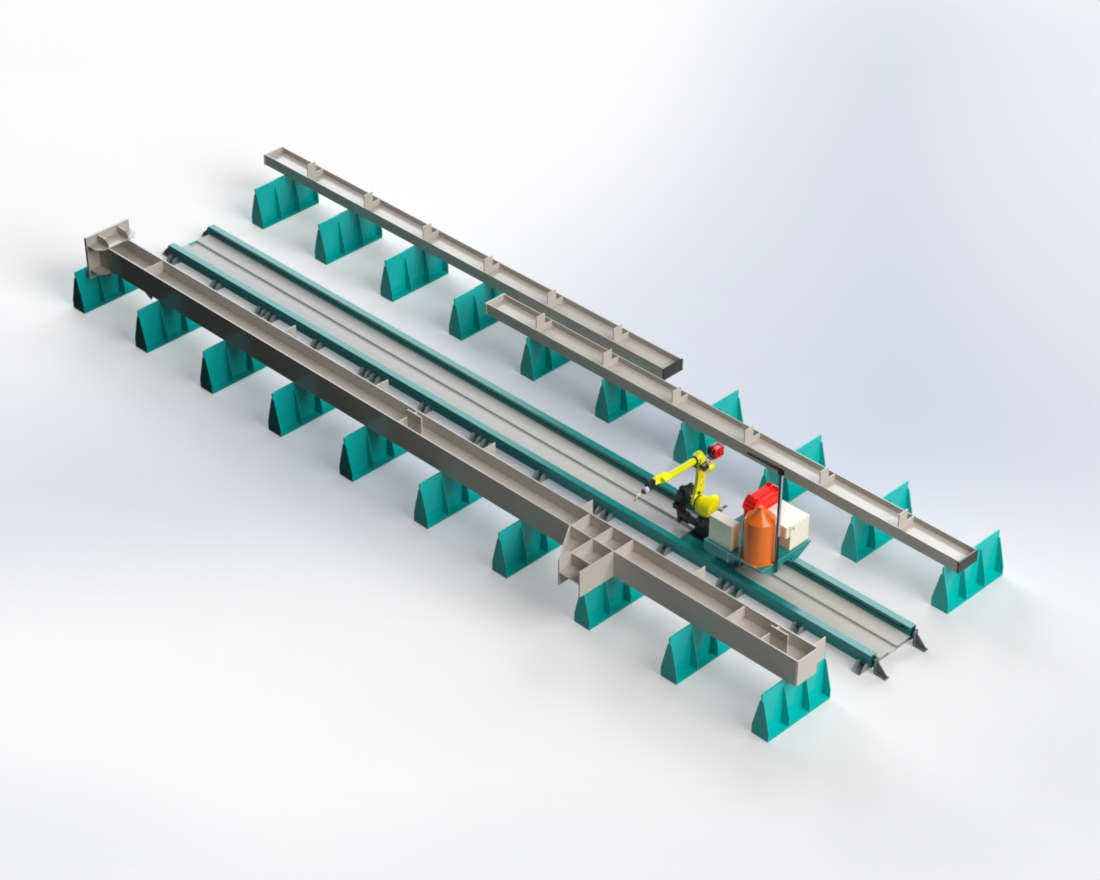
Dec 29,2025
Robotic welding cells rely on the right positioner configuration to achieve stable, efficient, and high-quality welding results. This article compares 1-axis and 3-axis welding positioners, explaining their motion capabilities, application scenarios, and key differences to help manufacturers select the most suitable solution for their welding automation needs.
Extending the Work Envelope: How Linear Tracks Boost Productivity in Large-Scale Fabrication Extending the Work Envelope: How Linear Tracks Boost Productivity in Large-Scale Fabrication
Dec 26,2025
Robot linear tracks play a critical role in extending the work envelope of industrial robots used in large-scale fabrication. By enabling robots to travel along a linear axis, these systems significantly improve coverage, reduce repositioning time, and enhance overall production efficiency. In applications such as robotic welding, steel structure fabrication, and heavy equipment manufacturing, linear tracks allow a single robot to handle oversized workpieces with greater flexibility and consistency, making them an essential solution for scalable automation systems.